In late August, Netflix debuted a program that was so popular, it caused tech issues around the world as people signed on to watch it as soon as it went live. Streamers on Twitch and YouTube turned cameras on themselves to record their reactions, and it quickly rose to the top of the Netflix most watched movies list.
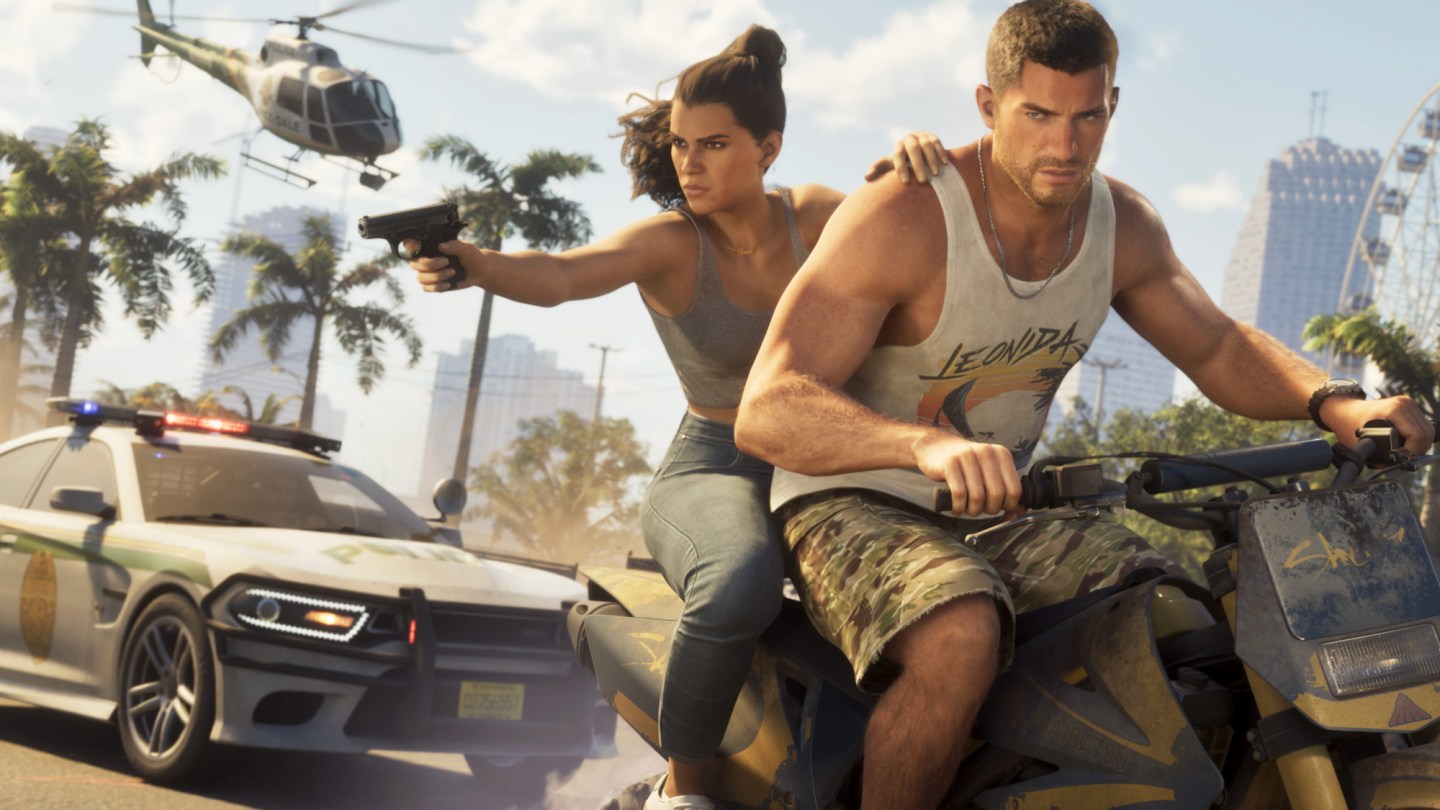
But the 26-minute premiere wasn’t actually a movie, even if it was categorized as one. Nor was it a TV show, the bread and butter of the streaming platform. It was a trailer for a video game: Grand Theft Auto VI, the most hotly anticipated game of all time. And Netflix’s exclusive “extended look” became the content that everyone wanted to talk about.
On Netflix’s own internal charts, the “first-of-its-kind” premiere of the game led all movies on the platform with 31.1 million views and hit No. 1 in 87 countries. (For comparison, new Robert De Niro thriller The Whisper Man was at No. 2 with 23.2 million views.) App downloads for the platform rose by 24 percent the day it bowed the trailer for Grand Theft Auto VI, per Sensor Tower.
Streaming may be the future of Hollywood, but for the companies that own the streaming platforms, a lot of the buzz and focus is not necessarily on the blockbuster movies that have defined the industry for the past century, or the TV shows that defined engagement for the past 50 years. The platforms are beginning to think more broadly about what kinds of content people want to engage with, and it does not look like what came before.
To be certain, films and TV shows are the heart of the streaming business, but in a world where engagement is king, they simply aren’t enough.
Netflix is not alone. At Disney — the company that draws more consumer brand affection than just about any other in Hollywood — the most surprising new bet is TikToks. In July, the company unveiled a surprise deal with TikTok, which will bring Disney assets to creators on the platform, and curated fan TikTok content to Disney+. The Pixar and Marvel movies and FX and ABC shows might be the heart of Disney’s streaming ambitions, but the TikToks are meant to keep the fan engagement flowing, particularly on phones, where consumers are less likely to watch a full feature or series.
Mobile engagement is a big driver in this shift, with Warner Bros. Discovery’s HBO Max and Peacock also leaning into mobile-first vertical video and formats. In fact, the buzziest content on Peacock of late may be the stuff made for mobile. That includes an AI-generated avatar of Andy Cohen, which invites users into the Bravo-verse, or video games like the daily Jeopardy! Today and Public Eye, from Wolf Games (which is backed by procedural king Dick Wolf), all of which are baked into the service, with more coming.
“Increasingly we’re finding that people are watching our shows, and then they’re going on social media, they’re looking for community,” says Matt Strauss, chairman of NBCUniversal Media. “If you want to create the best experience, you have to go beyond the premium content and you have to start thinking differently about what’s the modality of the device that they’re using. And what’s the behavior of how they’re engaging with other content.”
Games have become a major source of investment, too. Netflix has been exploring the space for years, and Peacock has aggressively moved in this year. But perhaps no streaming service is leaning into games more than Amazon Prime Video.
If you want to play Hogwarts: Legacy (WBD IP) or Indiana Jones and the Great Circle (Disney), you won’t find them on HBO Max or Disney+. But you will within Prime Video, which folded its games into the bundle in July, adding a games tab alongside movies, TV and live sports.
“What I see is this continued convergence between television, movies, and video games,” says Jeff Gattis, GM of gaming for Amazon, speaking to THR when the tech giant brought games into Prime Video. “We kind of started with, you’d see a movie and then a video game would get made after it, or you’d see a video game and a TV show get made, but you’re increasingly seeing these things come closer and closer together as entertainment lines blur.
“I think there was this shared belief we had inside of Amazon that you need to think of Prime Video more as an entertainment platform versus strictly a streaming video platform,” he added.
It’s a strategy everyone else is taking to heart, too. As the landscape evolves and the cutthroat battle for consumer time, attention and cash heats up, these streaming platforms may be tempted to explore ever more ancillary opportunities outside of what we think of as core competencies.
If a video game trailer can become a Netflix blockbuster, what else is possible?
Credit: Source link