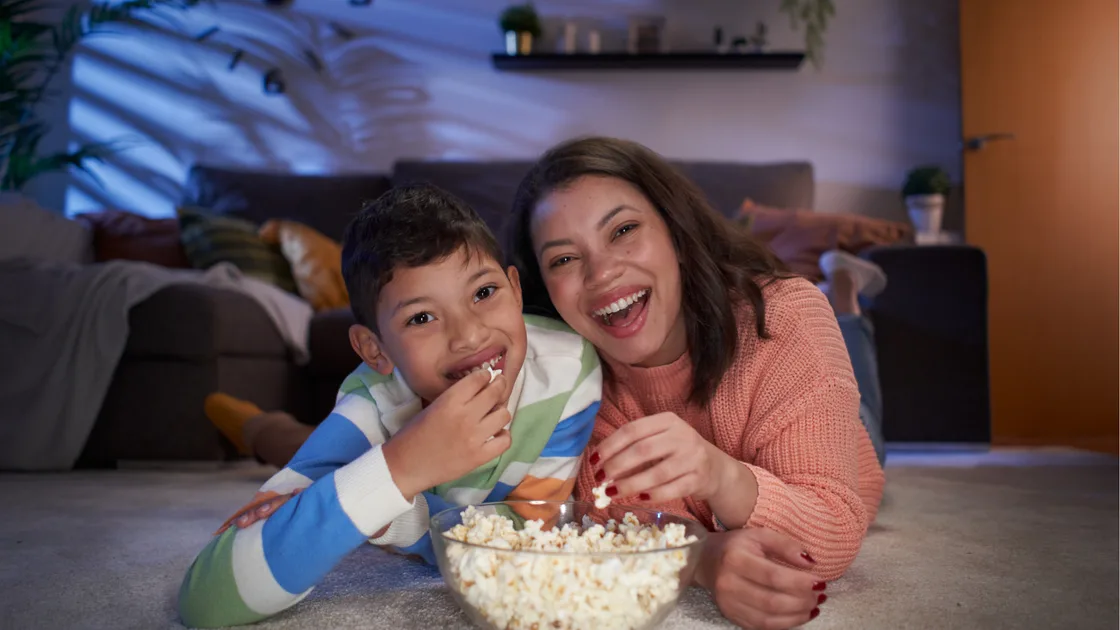
Movies often hold up a mirror to real life and, in some cases, they may even have lessons to teach us. That’s the thinking behind Pop Culture Parenting, the top Aussie podcast that uses Hollywood films to teach parents practical skills to help them better support their kids.
It’s the brainchild of two dads from Melbourne, developmental paediatrician Dr Billy Garvey and self-described “developing parent” Nick McCormack. Together, they demystify common dilemmas using their favourite Hollywood blockbusters. Here, Dr Billy takes an expert look at five cinematic classics!

Rewards and punishments… using the Force in Star Wars
Daily life for anyone raising kids can often turn into a struggle between using the “dark” and “light” sides of the parenting “force”. Just like young Jedi Luke Skywalker in 1977’s Star Wars – which kicked off one of the most memorable sci-fi franchises ever – we must learn strategies to master our own strengths and weaknesses.
“Punishments that harm you or make you feel bad, they’re about shame. That teaches kids nothing. There is no power in that, and that’s compliance at its best, and it’s never how we want our kids to be,” explains Dr Billy. “Ideally, we want to focus on connection and consequences and avoid pushing them towards the “dark side” through punishments, which can lean towards fear and control.”
“Punishments that harm you or make you feel bad, they’re about shame. That teaches kids nothing. There is no power in that, and that’s compliance at its best, and it’s never how we want our kids to be,” explains Dr Billy. “Ideally, we want to focus on connection and consequences and avoid pushing them towards the “dark side” through punishments, which can lean towards fear and control.”
The Sound of Music… learning how to play
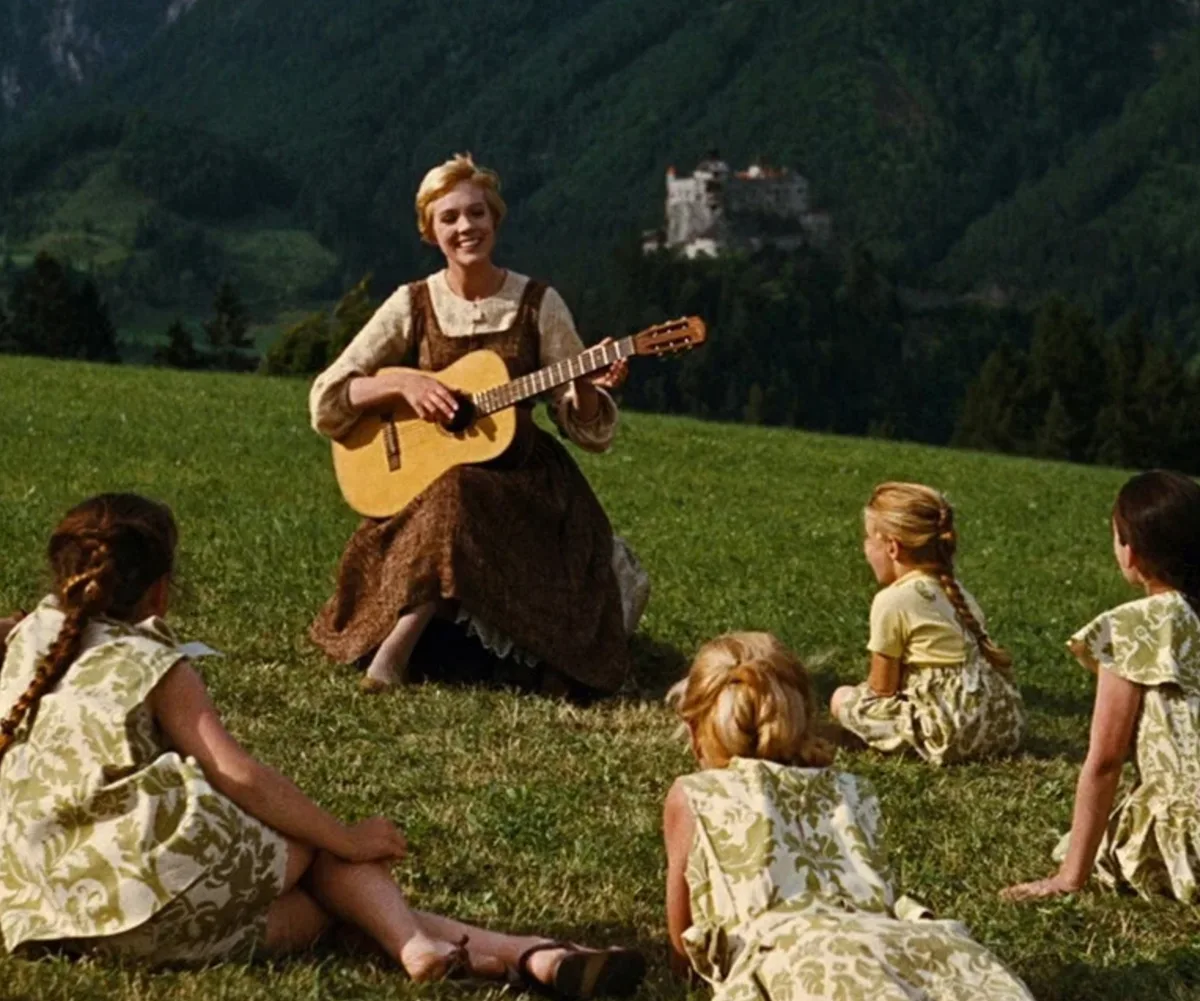
Play is one of the most important aspects of childhood development and lays the foundation for kids’ future mental health. Unfortunately, like the strict naval captain father in 1965’s The Sound Of Music, many of us simply don’t know how to play with our kids in a meaningful way.
Play builds communication, empathy, emotional regulation – and so much more – and that’s something the von Trapps learn when Maria, a playful Julie Andrews, comes to stay.
“Play is actually just about enjoying being together and doing a shared activity, and that builds connection,” explains Dr Billy. “Finding minutes each day to be in a space with a kid and to just be enjoying them and trying to understand what their experience is.”
And if that means sitting down and gaming with them or inexplicably singing about a lonely goat on a hill then so be it!
My Girl… dealing with grief & loss
There are lots of types of loss: a death, a relationship ending, losing your own independence. Resilience, what it is and how to help kids acquire it, is something that’s often misunderstood. “Remember resilience is having an adverse experience and having a healthy way of processing it. Too often we see it as ‘grit your teeth and push through’ but that’s not healthy… If you just bury it and push through – a lot of us hold that trauma then and learn an unhealthy coping mechanism.”
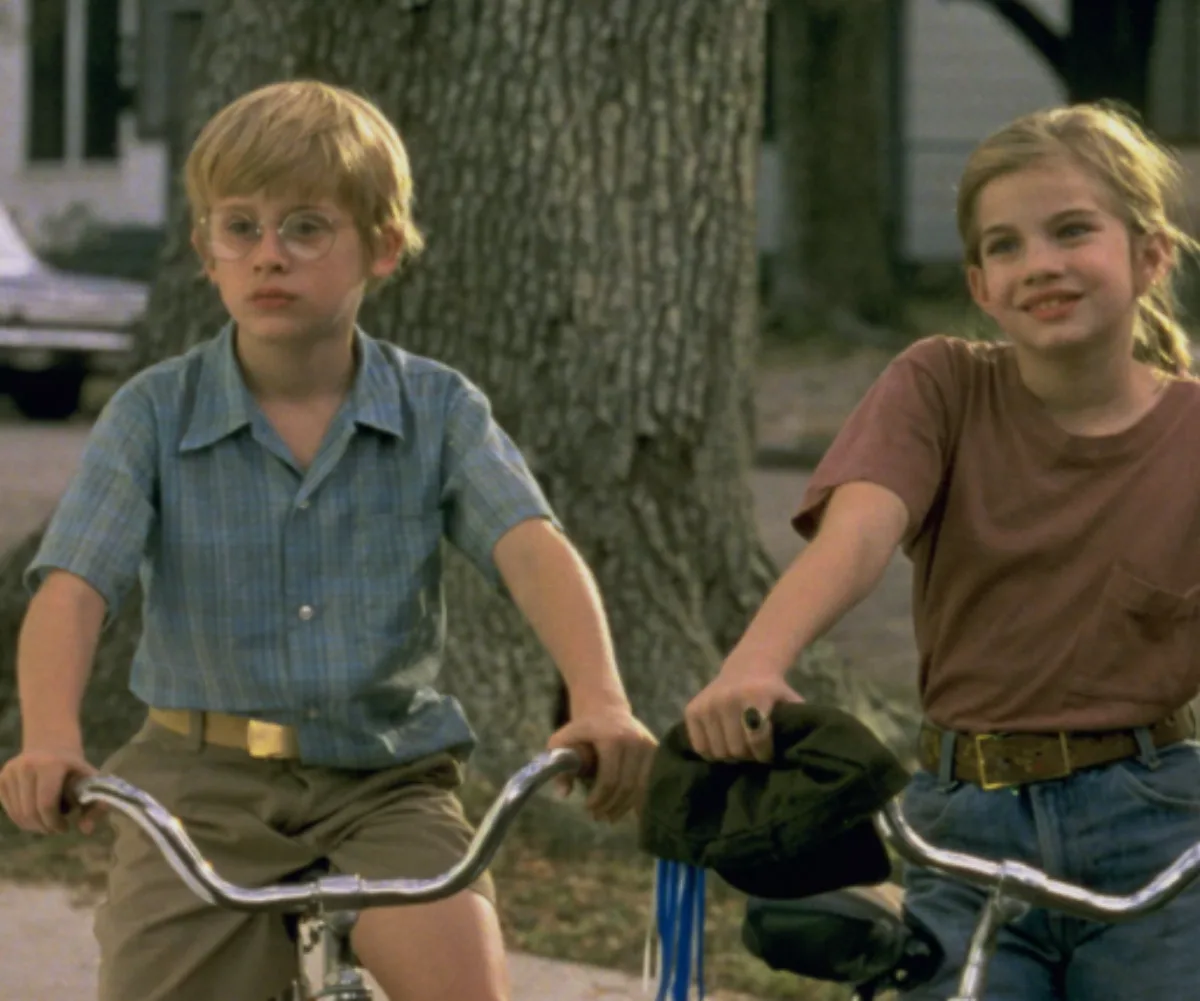
Instead, we need to show up – like Thomas does for Vada in My Girl – and validate difficult experiences instead of just pushing straight on through them.
Legends of the Fall… nurturing strong sibling relationships
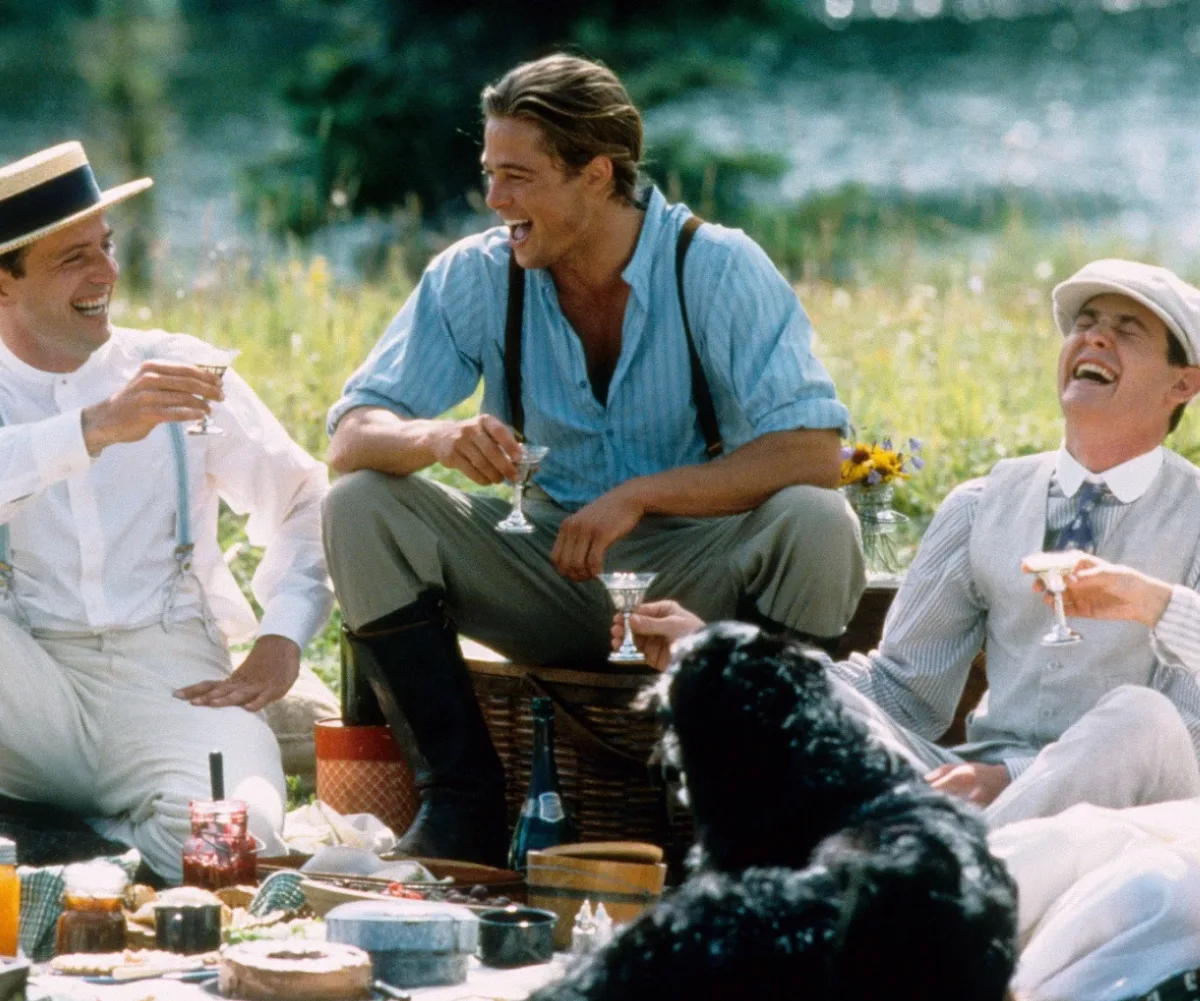
There are unique challenges in raising multiple mini humans at the same time, and Dr Billy and Nick explore that by looking at sibling dynamics in 1994’s Legends Of The Fall, a film that centres on three brothers whose relationships are shaped by competition, jealousy, loyalty, grief and love.
“We often want to address conflict when it’s occurring. But the way you get to that is during calm and playfulness. We need to think about the experience these siblings are having and 99 per cent of the time it needs to be positive and playful,” says Dr Billy. “If you only ever come in when they hit each other, then that’s the only communication tool that they have for my brother’s not sharing or he’s being annoying.”
Why some kids can’t focus… ADHD & Finding Nemo
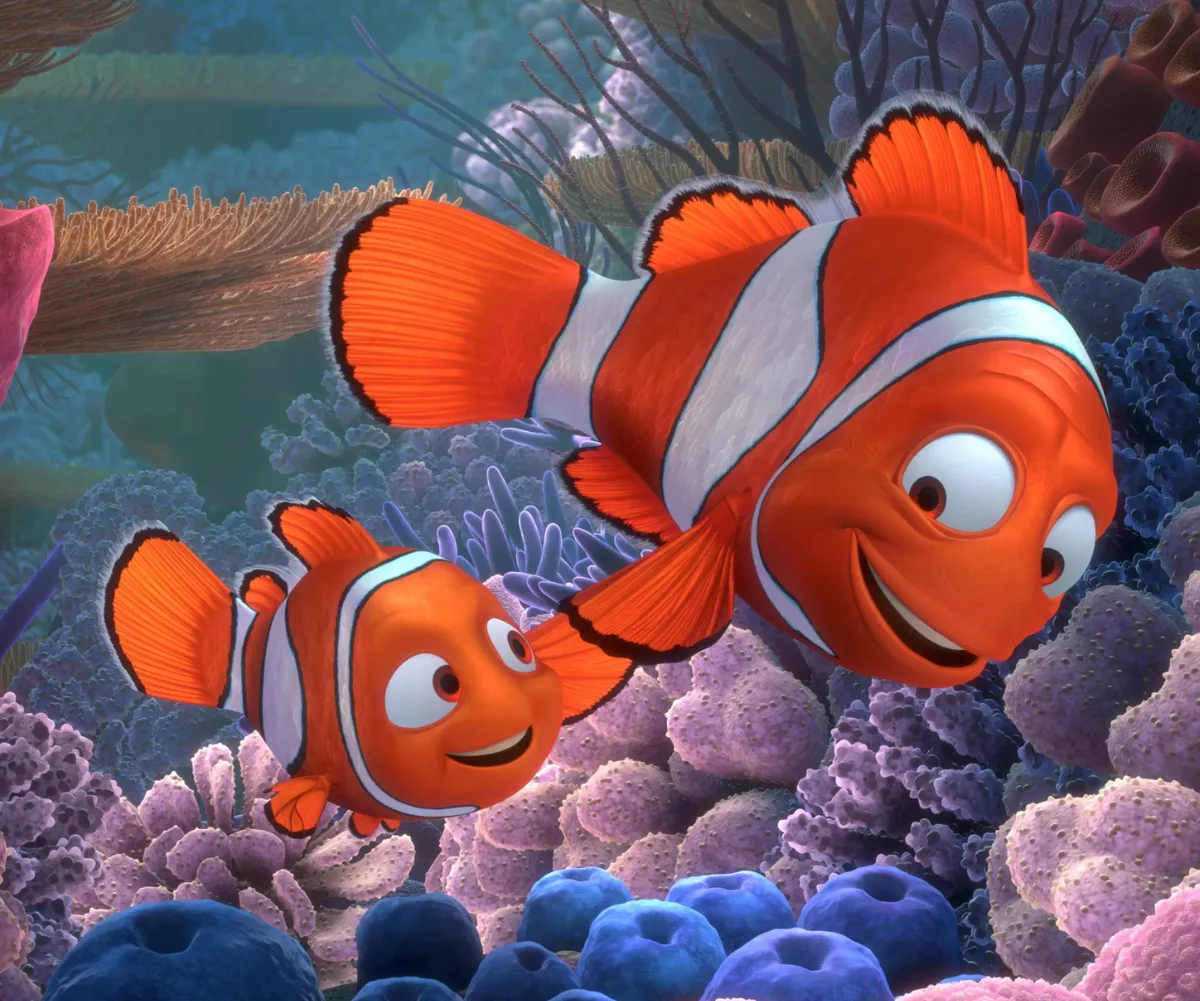
Lots of kids can’t focus or regulate their emotions easily for many different reasons. ADHD (Attention-deficit hyperactivity disorder) is a common cause with seven per cent of Aussie kids aged four to 17 years having the condition. It presents quite differently in kids and not all of them appear to be as forgetful as the fish Dory in Finding Nemo.
Difficulties with attention, hyperactivity and impulsivity are all symptoms that can have huge impacts, not only on learning but also relationships and kids’ self-esteem.
“With ADHD, you fire to action very quickly. It’s much harder to learn just to take a beat before you react to something, and that’s quite hard for someone who has impairments in executive functioning.”
For caregivers supporting these kids, it’s about helping them develop the skills they need to focus and control their impulses.
“Learning how to help them catch your calm” is one strategy, says Dr Billy. Staying patient and being present is the key.
Pop Culture Parenting is on Spotify and Apple Podcasts. Follow on Instagram @popcultureparenting and learn more about Dr Billy Garvey’s social enterprise dedicated to changing the future of Aussie kids at guidinggrowingminds.com
Related

Credit: Source link