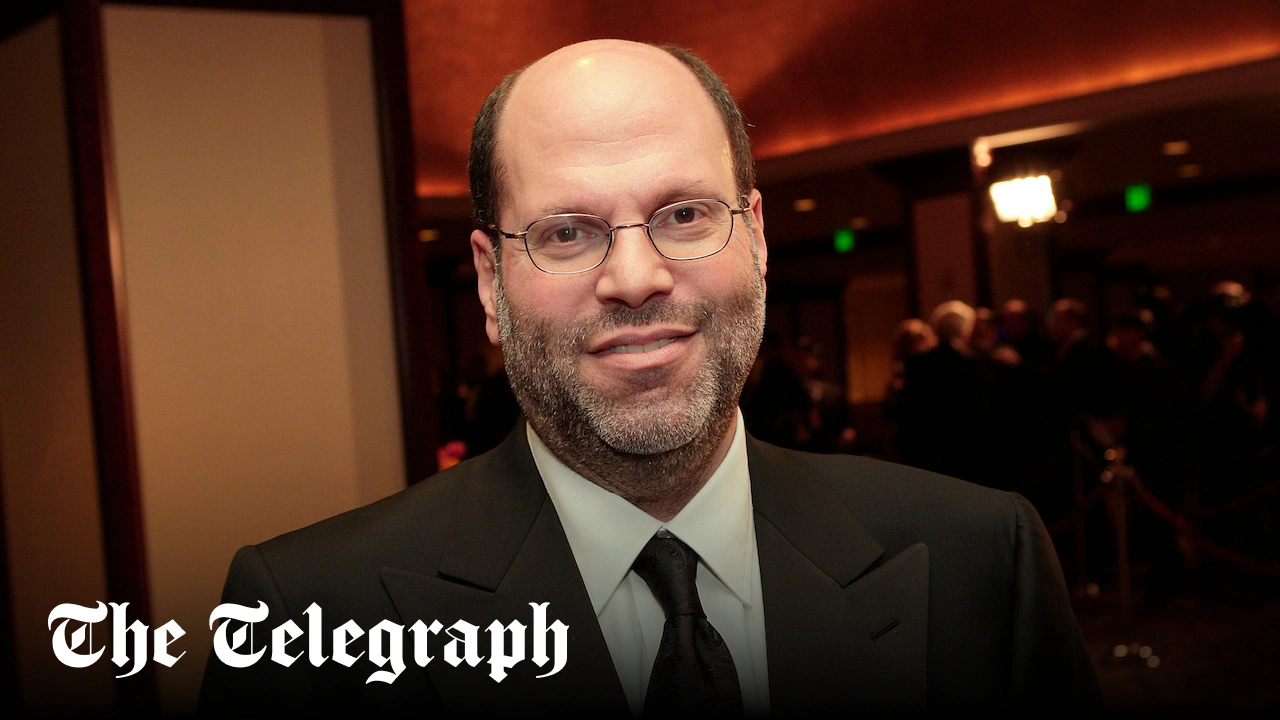
But alongside that success, rumours were growing of Rudin’s alarming behaviour. In 1993, a New York Times profile described him as “an enfant terrible”. The article observed that Rudin seemed to fulfil his “outsize[d] need for intimacy with no end of urgent phone calls and meetings”, and perhaps that was why he perceived any disagreement with colleagues as “betrayal”.
It is not just colleagues. Several artists who collaborated with Rudin also have grim tales to tell. In 2019, Jeremy O Harris, the writer of the incendiary Slave Play, called Rudin “loudly racist” on X and alleged that the producer had told him: “No one gives a f— what you have to say.”
Meanwhile, Girls creator Lena Dunham wrote in her 2026 book Famesick that Rudin sent her an average of 70 emails a day threatening to sue her over an unfinished project – even though she hadn’t signed a contract. Dunham said Rudin considered her “a spoilt little girl” and “a phoney who would be cast out of the business just as quickly as I had been allowed in”.
In private emails (revealed following the Sony Pictures hack in 2014) Rudin labelled Angelina Jolie a “minimally talented, spoilt brat”, called Whoopi Goldberg an idiot, and made racially insensitive jibes about Barack Obama. Publicist Amanda Lundberg alleged to The New York Times in 2021 that Rudin copied her in on an email in which he called another woman by a vulgar word for vagina. “He wanted an audience to his cruel berating,” Lundberg said. Playwright Adam Rapp said that Rudin was like “a mafia boss”.
Actress Rita Wilson (who is married to Tom Hanks) told The New York Times that when she learnt in 2015 that she had breast cancer, while starring in a Rudin-produced play, he complained about her taking time off during Tony voting season and demanded to see her medical records. In a statement, Rudin disagreed with this characterisation of events.
In her 2023 Hollywood-critiquing book Burn It Down, culture writer Maureen Ryan devotes an entire chapter to Rudin. She recounts the abuse allegedly endured by Kevin Graham-Caso, who later died by suicide. While he was working for Rudin, who frequently “soft” fired him, friends noticed that Graham-Caso had “lost weight, he threw up a lot, his hair fell out, and he was frequently afflicted by painful kidney stones”. He told his twin brother, David, that Rudin once yelled, “F— you, get the f— out of my car”, forcing Graham-Caso to walk three miles back to his apartment (which Rudin denied happened) .
Ryan expressed disappointment in actress Frances McDormand and her husband, writer-director Joel Coen, who, according to a Vulture article, claimed he watched Rudin shouting at a female assistant and then continued their meeting (McDormand and Coen denied witnessing this behaviour). The pair later made “dismissive” and “tone-deaf” comments about Rudin, wrote Ryan, in a 2021 Deadline interview while promoting a film, with McDormand firmly moving on the conversation by saying, “I think that’s enough […] This article – is it about the film?”
Samuel Laskey, who worked as an intern at Rudin’s company, told Ryan: “I think for monsters like Scott Rudin to exist, it requires a network of people who consider themselves to be genuinely decent and good who, for reasons of power and ambition, look the other way.”
A extraordinary oeuvre
Is that what’s happening now? Rudin did his ostentatious apology tour in 2025, telling The New York Times that his behaviour had been “bone-headed” and “narcissistic”, acknowledging that he had yelled at assistants but saying he had “very, very rarely” thrown things. He added: “I was just too rough on people.” After doing therapy, he had “a lot more self-control”, he claimed.
Speaking about the allegations, he summed it up as: “A lot of what was said was true. Some of what was said wasn’t true.” But he attempted to balance what he called “bad behaviour” with his output: “I feel proud of the work overall, and badly about the cost of it to some people who worked on it.”
Credit: Source link