
Meevee, an Amsterdam-based children’s media company, will launch its preschool streaming-video platform on April 25 on iOS. Like most late-stage streaming-era entrants, Meevee professes to have a unique hook — and in this case, it’s true. That doesn’t mean it definitely makes a ton of sense.
The Meevee platform is being pitched to families as “an alternative to endless, algorithm-driven screen time,” which is interesting because it is itself, quite literally, screen time. As previously mentioned, Meevee targets a preschool audience — specifically kids two to six — pretty much the only ages parents have total control over their children’s screen time anyway.
Meevee is competing for attention via a pitch offering healthier, finite screen time, and “intentional sessions built around children’s developmental needs.” Meevee says it offers “clear beginnings and endings, helping children transition away from screens without conflict.”
Giving up the iPad “without conflict?” Mookee the Meevee monkey must be a miracle worker.
Meevee includes a companion app with “direct-to-parent chat for real-time communication and insights.” It also suggests off-screen activities for kids to continue their learning through play.
“It all began with a simple idea,” the Meevee website states. “What if screen time could end like a good story: softly, gently and without a single tear?”
How much would you pay to live in such a tablets-down, familial utopia? In this case, that’d be $6.99-$10.49 per month, depending on your plan.
Careful Meevee, if you work too well, you’re going to put yourself right out of business.
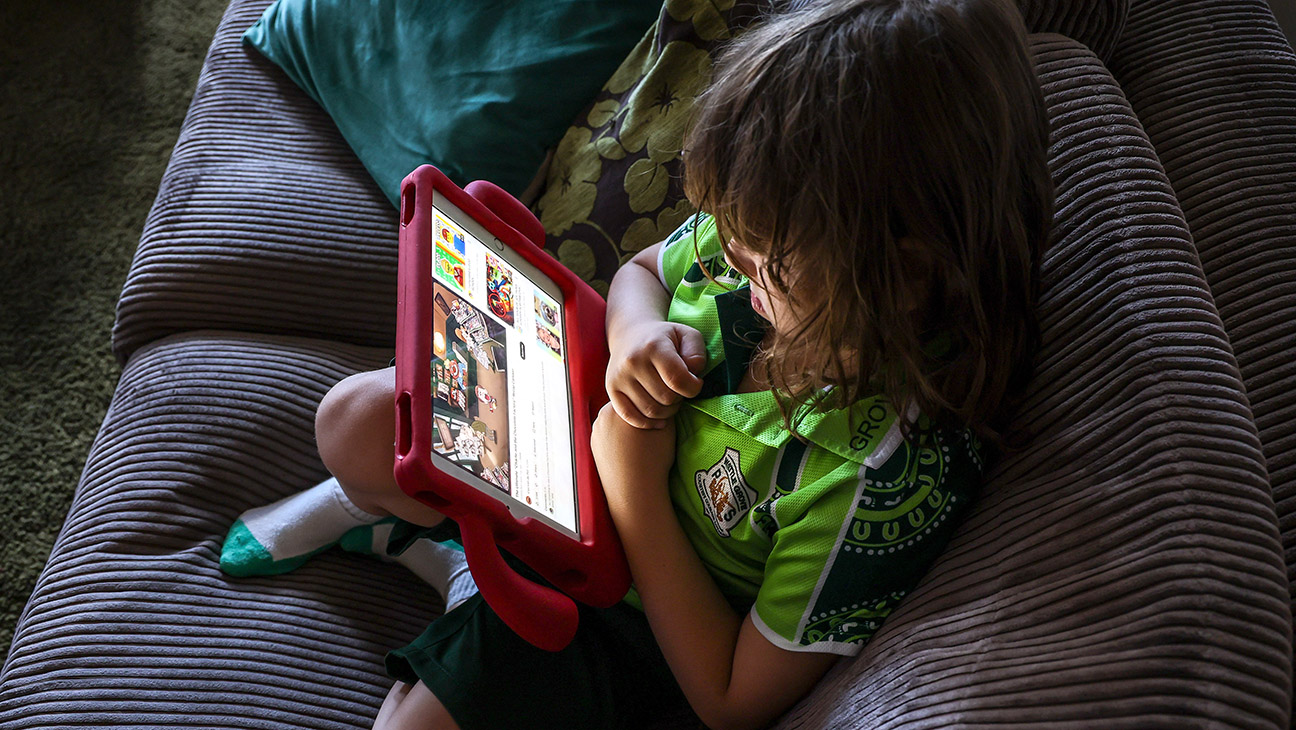
A child watches Meevee
Courtesy of Meevee
“Children today engage with content shaped by systems designed to maximize viewership,” said Mikey Casalaina, co-founder of Meevee. “With Meevee, we’re asking a different question: what would children’s media look like if it were designed to help kids get off the screen?”
“This is not about removing screens,” said D Alcausin, the other co-founder. “It’s about redesigning the experience around what’s actually good for kids. That means building a different system, built on different incentives.”
Credit: Source link