At the Producers Guild Awards on Saturday night, CEO Susan Sprung took the stage to speak about what was on everyone’s mind: the US-Israeli military strikes in Iran, which had begun just hours before the ceremony. “The events of the past 24 hours have us all concerned,” she said. “Even as we go about our lives, even as we celebrate, we pray for peace.”
The following night at the Actor Awards, SAG-AFTRA national executive director Duncan Crabtree-Ireland said something similar onstage before the cameras started to roll: “Our thoughts are with all of those whose lives are in danger overseas right now, and I think if there’s one thing we can all agree on, it’s that we wish for peace and we mourn those whose lives have been lost.”
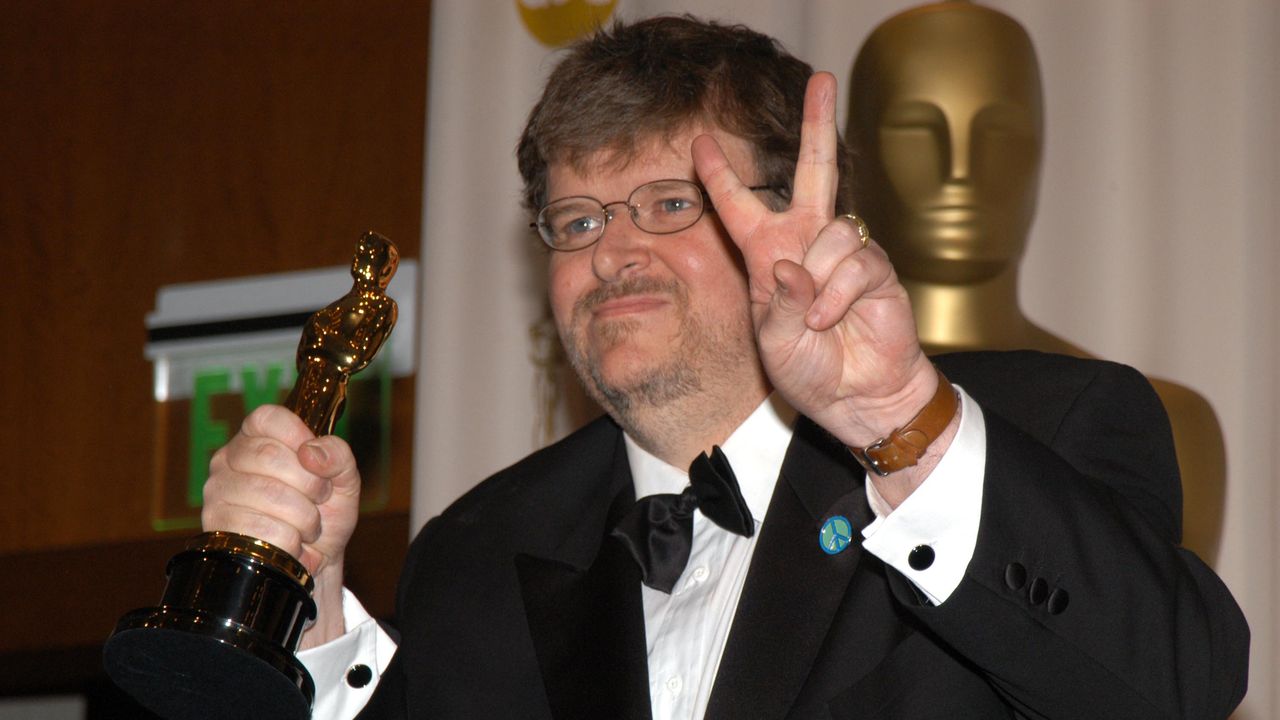
Though no one else at the Actor Awards or the PGA Awards spoke specifically about the conflict in the Middle East, there’s a chance it will come up again on Hollywood’s biggest night. The Oscars are less than two weeks away; the show is one of the biggest platforms in modern media—in 2025, it drew 19.7 million viewers in the US alone—and celebrities have on occasion used it as a pulpit for political statements, ranging from subtle references to outright polemics.
The conflict in Iran is weighing heavily on many, but is particularly urgent for several nominees with ties to the country. The most high-profile of them is Jafar Panahi, director of It Was Just An Accident, which is nominated for both best international feature and original screenplay. Panahi was previously imprisoned in Iran for making films there, and has been campaigning for the film while speaking out about the dire conditions in his home country. Shortly after news broke that the strikes had killed Iran’s Supreme Leader Ayatollah Ali Khamenei, Panahi spoke to NBC: “Like many other people who suffered in this period, hearing about this news made me both happy and sad.”
Meanwhile, Sara Khaki and Mohammadreza Eyni—directors of the Oscar-nominated documentary Cutting Through Rocks—told Vanity Fair that their “hearts are in two places. We are proud to represent the people of Iran with the first independently made Iranian documentary nominated for an Academy Award, yet we are grieving for our people who are under severe pressure.”
The husband and wife filmmaking team’s movie follows Sara Shahverdi, a motorcycle-driving councilwoman in northwest Iran who attempts to transform local attitudes while up against extreme challenges. Shahverdi won’t be able to attend the Oscars herself due to the US travel ban and the unfolding situation in her home country. “We urge filmmakers and artists to speak out about what is happening in Iran and be on the side of the people of Iran, especially when our film’s lead participant won’t be physically present to speak about it,” the filmmakers said.
Plans for pins or other symbolic gestures of support for the Iranian people at the Oscars are still in the works, according to publicists with nominated talent, but Panahi, Khaki, and Eyni’s presence at the event will be a statement in and of itself. By including them, the Academy is showing support for an artist’s work that the Iranian government attempted to stifle for years. Pins disavowing the Iranian regime’s crackdown on protesters (that featured the outline of Iran with a ribbon) were passed out to attendees of the Academy Awards luncheon in February, and could possibly appear on the Oscars carpet.
Credit: Source link