
A wave of surprise hits, a resurgent Gen Z audience and a string of billion-dollar blockbusters have the movie business on pace for its best year since the pandemic, with domestic ticket sales tracking toward $10 billion for the first time since 2019.
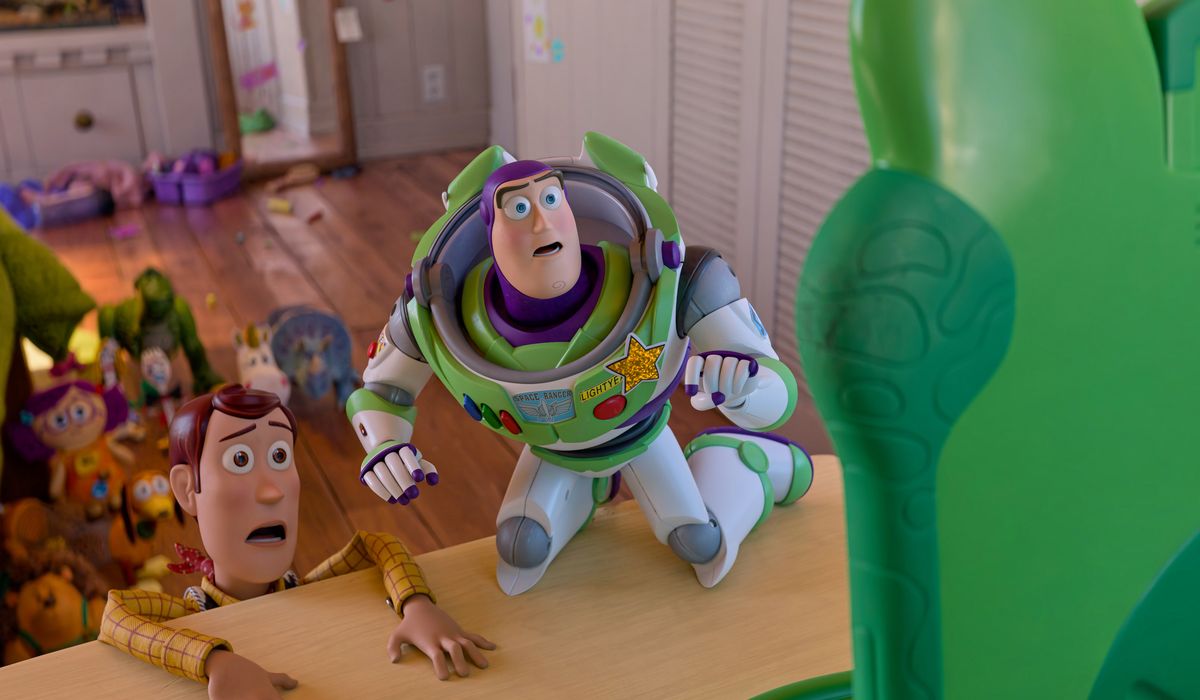
The comeback is being fueled less by a single dominant franchise than by an unusually broad mix of films. Universal’s “The Super Mario Galaxy Movie” became the year’s first billion-dollar release, while Lionsgate’s Michael Jackson biopic “Michael” became the first biopic in history to cross $1 billion worldwide, combining for $629.8 million overseas and $371.8 million domestically. Disney’s “Toy Story 5” has earned more than $800 million globally, and at its current pace is projected to eventually pass “Toy Story 4’s” $1.07 billion as the franchise’s top earner, though that remains a projection rather than a confirmed outcome.
Just as notable are the films no one saw coming. A24’s horror breakout “Backrooms,” directed by 20-year-old YouTube creator Kane Parsons, became the studio’s highest-grossing release ever on a roughly $10 million budget. Focus Features’ “Obsession,” from newcomer Curry Barker, has likewise turned into a runaway hit for Blumhouse. Amazon MGM’s “Project Hail Mary,” starring Ryan Gosling, has grossed $683 million globally, among the studio’s stronger theatrical results to date; its domestic total also passed “Oppenheimer’s” final domestic gross of $330 million, according to reporting on that weekend’s box office chart.
Younger moviegoers are driving much of the momentum. A Fandango survey of more than 7,000 people found that 87% of Gen Z and 82% of millennials had seen at least one film in theaters over the past year, compared with 70% of Gen Xers and 58% of baby boomers — a reversal of the industry’s earlier fear that streaming had permanently pulled young audiences away, according to an analysis of the findings.
Anticipation for Christopher Nolan’s “The Odyssey,” which opened domestically this weekend after being shot entirely on IMAX cameras, has become its own phenomenon. Universal put premium-format tickets on sale a full year in advance, an unprecedented move for a major studio that saw roughly 95% of the initial seats claimed within an hour.
Not every genre has shared in the rebound. Superhero films have struggled, with Warner Bros.’ “Supergirl” managing just $115 million against a $170 million budget, and “Star Wars” spinoff “The Mandalorian and Grogu” becoming the lowest-grossing theatrically released “Star Wars” film domestically. Some analysts attribute the pattern to a growing appetite for original storytelling over familiar franchises, though the trend is uneven — both “Michael” and “Toy Story 5” leaned heavily on nostalgia and established characters to succeed.
Exhibitors, meanwhile, are bracing for a packed back half of the year. Two weekends after “The Odyssey,” Sony’s “Spider-Man: Brand New Day” arrives, followed by a holiday slate stacked with entries in the “Dune,” “Avengers” and “Hunger Games” franchises. If current pace holds, the industry will close out 2026 well ahead of last year’s roughly $9 billion total — though still short of pre-pandemic highs around $11 billion.
This article was constructed with the assistance of artificial intelligence and published by a member of The Washington Times’ AI News Desk team. The contents of this report are based solely on The Washington Times’ original reporting, wire services, and/or other sources cited within the report. For more information, please read our AI policy or contact Steve Fink, Director of Artificial Intelligence, at [email protected]
The Washington Times AI Ethics Newsroom Committee can be reached at [email protected].
Credit: Source link