
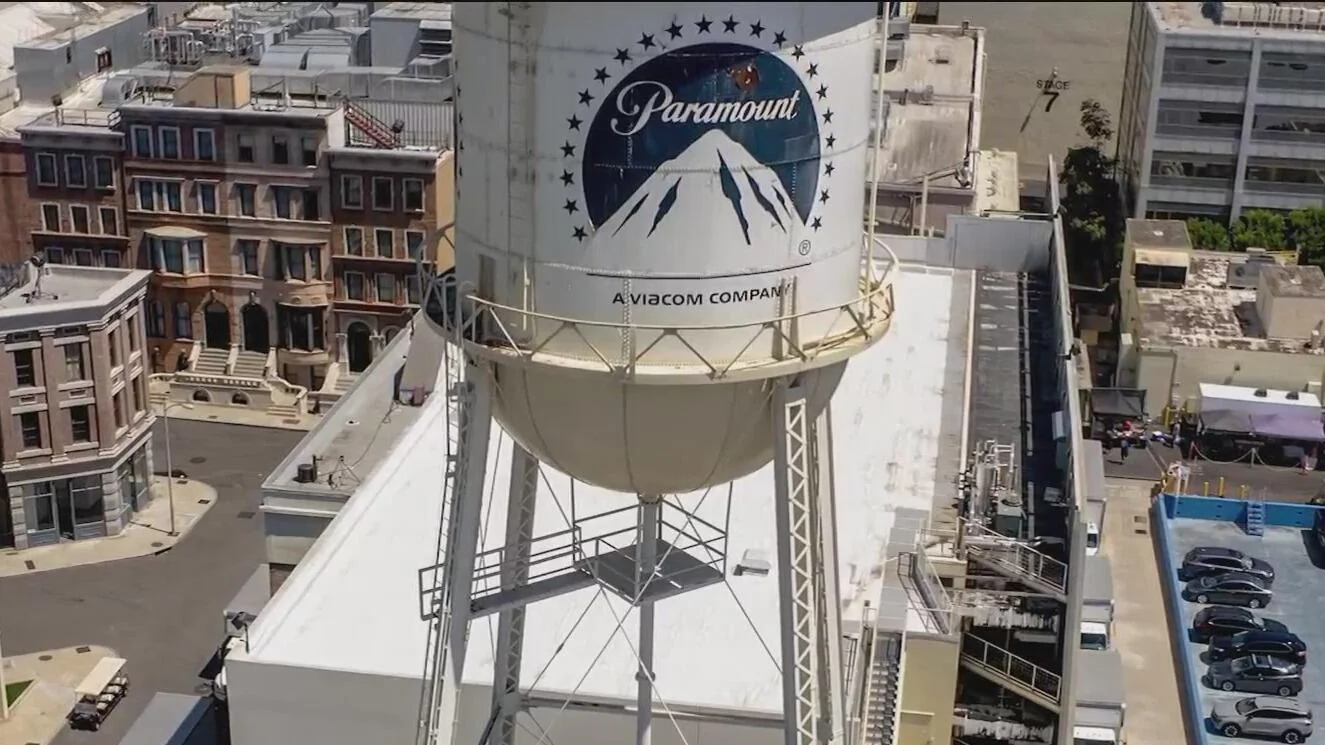
The Paramount-Warner Bros. Discovery merger is not just a Wall Street story anymore. It is a Hollywood jobs story. A new Los Angeles County report estimates that Paramount Skydance’s proposed acquisition of Warner Bros. Discovery could put about 4,500 direct film and television jobs in Los Angeles County at risk over three years. When indirect and related employment are included, the report says more than 10,000 job-years could be exposed.
That doesn’t mean it’s all gloom and doom or that Paramount has announced 4,500 layoffs. It most certainly hasn’t. This is an economic-risk estimate based on what could happen if two major entertainment companies combine operations, reduce overlapping work, and cut back production. Hollywood has already spent the last few years dealing with layoffs, production slowdowns, streaming pullbacks, and runaway production. So when a report says thousands more jobs could be at risk, people are going to pay attention.
Why The Job Estimate Matters
Executives often talk about efficiency, stronger competition, better scale, and long-term investment. Those arguments are not automatically wrong. Paramount has a real case to make that a larger company could compete more effectively against Netflix, Disney, Amazon, Apple, and other global entertainment giants.
But efficiency can also mean fewer people doing the same work. If Paramount and Warner Bros. Discovery combine, there could be overlap in marketing, distribution, publicity, production, legal, finance, streaming, and corporate operations. That is where job concerns become very real. The entertainment industry is not just movie stars and CEOs. It is crew members, assistants, editors, production managers, writers, drivers, accountants, coordinators, set workers, vendors, caterers, and many more people who keep film and television moving. When productions disappear, the impact spreads quickly.
Los Angeles Is Already Under Pressure
The timing makes this report more serious. Los Angeles has been fighting to keep production from leaving California. Other states and countries have used tax incentives to attract film and TV work. Studios have also reduced spending as streaming companies became more disciplined about profitability.
That means Hollywood workers are already facing a thinner production market and a merger of this size could add another layer of uncertainty. If the combined company releases fewer projects, develops fewer shows, or consolidates studio functions, the damage could be felt far beyond the companies directly involved. Fewer productions can mean fewer jobs across the entire local ecosystem and that is why local officials, unions, and industry workers are treating this as more than a corporate transaction.
Paramount’s Argument Still Has Weight
To be fair, Paramount will likely argue that the deal could help preserve jobs in the long run by creating a stronger company and that argument absolutely deserves consideration. The entertainment business has changed dramatically. Streaming is expensive. Global competition is brutal. Sports rights cost billions. Theatrical releases require huge marketing budgets. A smaller studio may struggle to compete against companies with deeper pockets and broader platforms.
A combined Paramount-Warner operation could theoretically support more franchises, more streaming scale, and a stronger theatrical slate. The problem in all of this is trust. Hollywood workers have heard plenty of promises before. They have also seen what happens after mergers, restructurings, and corporate “synergies.” That word usually sounds better in an earnings call than it feels in an unemployment line.
The Real Question Is Enforceability
If Paramount says the merger will protect theatrical output and strengthen Hollywood, should regulators require enforceable commitments? Should the company have to guarantee a certain number of theatrical releases? Should Paramount and Warner Bros. remain operationally separate? Should there be job protections tied to Los Angeles production?
Those aren’t easy questions to answer and regulators shouldn’t be the ones writing the movie slates. But if a company asks the public to accept a massive consolidation deal, it is fair for workers and lawmakers to ask what protections come with it.
Final Take
The Paramount-Warner merger may still happen and it may even create a stronger entertainment company capable of competing in a brutal media landscape. But Los Angeles County’s report puts an alarming number of jobs as “at risk”. So now the question is whether Hollywood can afford another merger that could reduce the number of people making movies and television. That is the part worth watching.
Credit: Source link