
Buchi Babu spends the first half of the film setting up the milieu. The concept of cricketers for hire — Peddi doesn’t have the privilege to play for a team — gives the film a very interesting perspective, subtly telling us that there is more of this to come. But this is also where it lays bare its obvious chinks in the armour. Peddi lives his life by one motto: it is that he has but one life. This leads to some solid moments of drama towards the end, but also momentary doom. Janhvi Kapoor plays the forgettable Achiamma, who is forgettable even to the hero. And by that we mean, Peddi remembers her not by her face, but her waist. These scenes, shot with an intentionally unsettling male gaze, are impossible to sit through. Peddi’s skewed sense of moral high ground is on full display here as he deems it right to kiss without consent, but is outraged when the abuse comes from another man. It’s almost as if the filmmaker goes, ‘I’m sorry for the inconvenience, but I’ll come back to the film a bit later’.
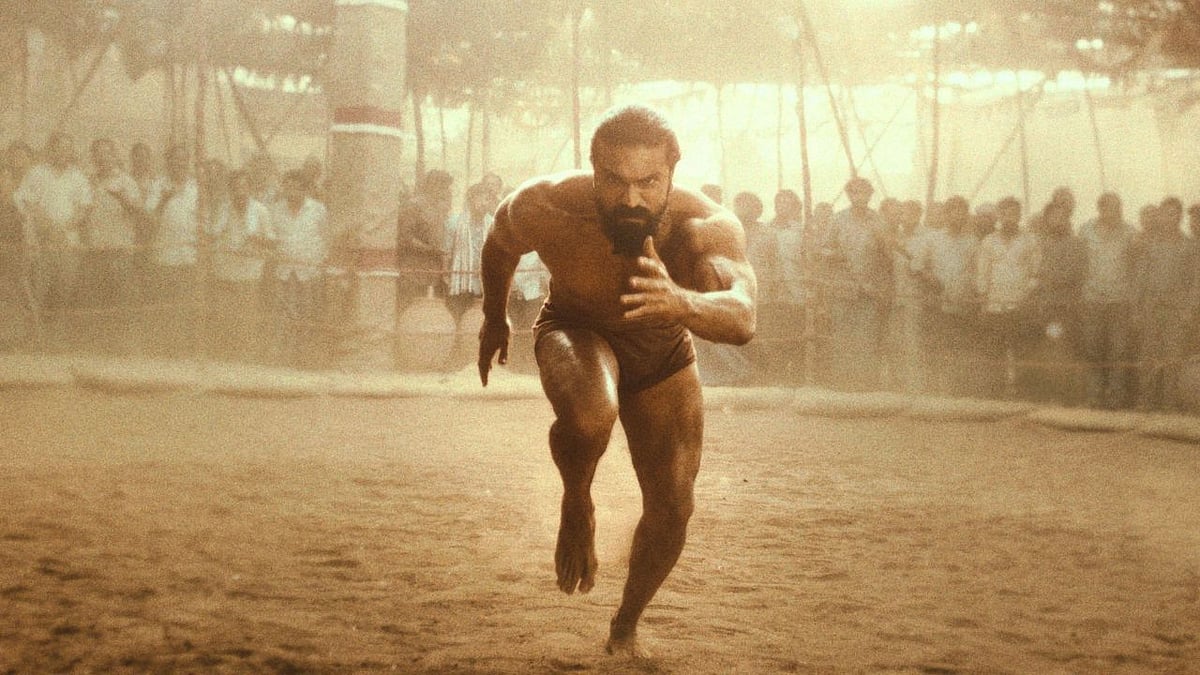
The film hems and haws for our lost patience in the second half. And we begrudgingly give in; Peddi is fully aware of its limitations in writing. However, the secondary characters are incredibly interesting on paper. Jagapathi Babu plays Suri, a village leader who truly believes the fate of his village is deeply entwined with denied mobility (the local train refuses to stop at their village, reminiscent of Mari Selvaraj’s Karnan). Shiva Rajkumar plays Gournaidu, a gracefully ageing kusthi champion who places the game above accomplishment. The film doesn’t have the deftness to treat these characters with real nuance, but what it does have is the ability to trust in its lead actor’s ability to react.
One of the best lines in Peddi comes very offhandedly through Ram Charan, who observes success, “I’ve understood that we live in a world where people listen to winners.” A dialogue like this comes out of nowhere and makes us rethink all these scenes we’ve watched again, as Ram Charan gives Peddi immense physical and emotional heft to take it from a place of superficial masala to engaging commercial cinema.
Credit: Source link