‘The Naked Gun’ (Akiva Schaffer, 2025)
“On Set Dressing: Ranch – Russian – Italian – Vinaigrette”
The Naked Gun franchise has always included meta jokes, puns, and gags in its closing credits, as they so thoroughly parody cinematic conventions that not even the ending sequence is left untouched. The most recent installment of the franchise brought Liam Neeson in to star as Frank Drebin Jr, the son of Leslie Neilsen’s character from the original trilogy, but it retained the style of the classic films from the Zucker brothers and Jim Abrams, including the tradition of including credit jokes.
There are many amusing jokes hidden in the film’s credit sequence, including a Netflix password and an original song that Neeson performs. However, the funniest gag is a reference to the “set dresser” position that most films require; listed under the credit for “on set dressing,” there’s a collection of actual salad dressings like Ranch, Russian, Italian, and Vinaigrette.
‘Robocop’ (Paul Verhoeven, 1987)
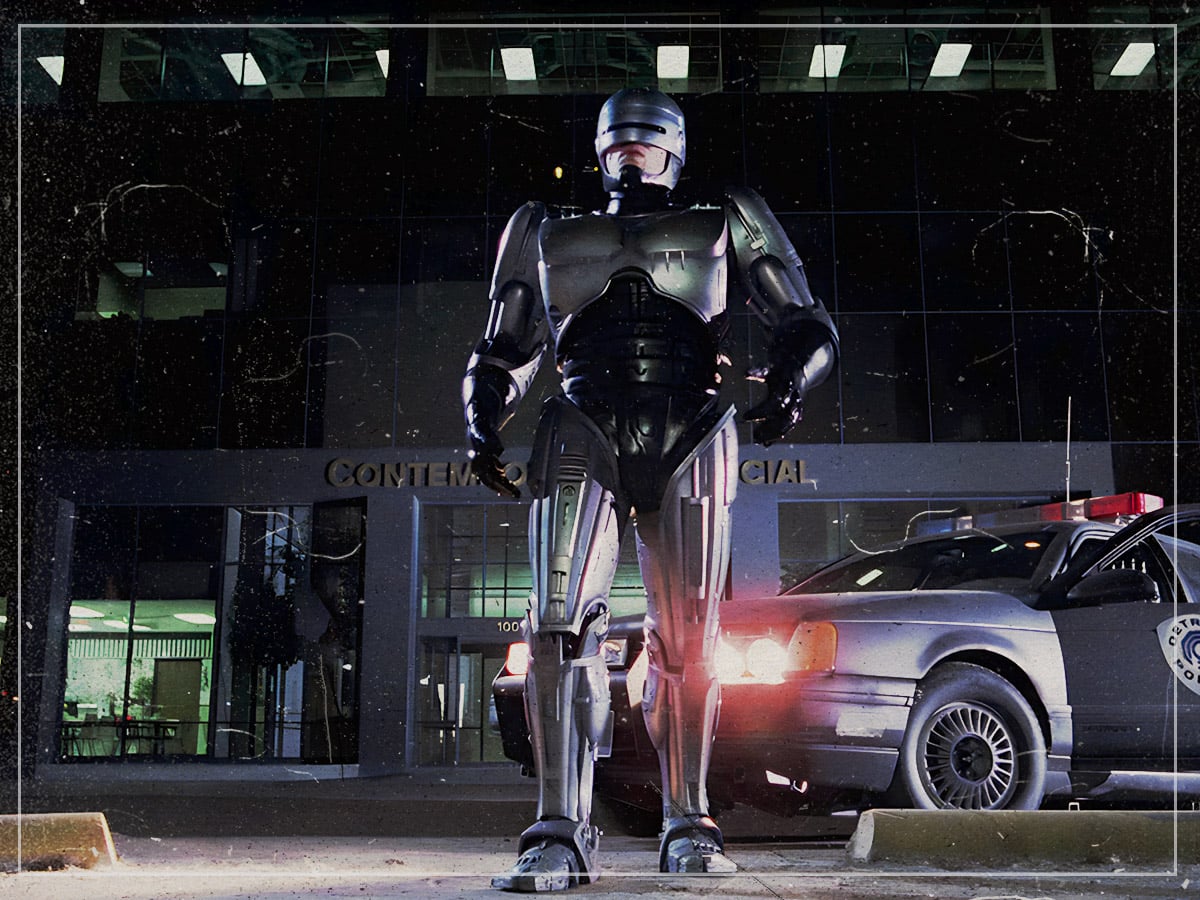
“May result in civil liability and criminal prosecution by enforcement droids”
Robocop was not only one of the best science fiction films of the 1980s, but a brilliant satire of capitalism, corporatism, and advertising. Dutch filmmaker Paul Verhoeven made a bold Hollywood feature that retained the idiosyncrasies of the films from his home country, as Robocop gave him the freedom to get even weirder with subsequent work like Total Recall, Basic Instinct, Showgirls, Starship Troopers, and Hollow Man. Most films have to include some sort of anti-piracy stipulation that warns about the civil and criminal liabilities of stealing from the rights holders.
Amusingly, the Robocop credits indicate that these policies are carried out by the same enforcement droids that Alex Murphy, played by Peter Weller, battles within the film’s final act. Given that Robocop desecrates powerful conglomerates that adhere to strict rules regarding control, this was a well-timed joke that indicated Verhoeven’s self-awareness.
‘Clerks’ (Kevin Smith, 1994)
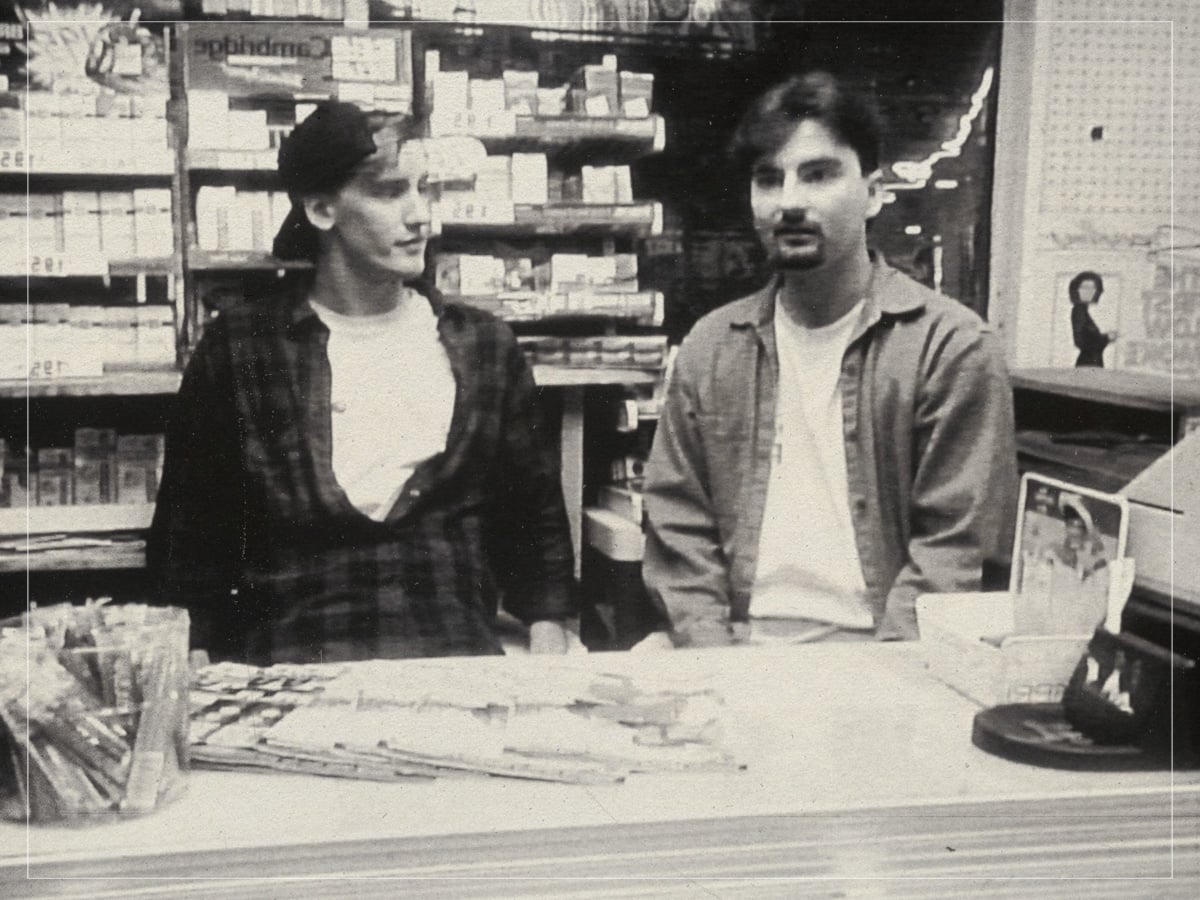
“Boom: Whoever grabbed the pole”
Kevin Smith famously made Clerks with a maxed-out credit card at the store he worked at, and cast his friends in a film that eventually played at the Cannes Film Festival and launched a new era of independent filmmaking. Smith has admitted that, because he never went to film school, he was figuring out a lot about the filmmaking process as he went along, and initially struggled with the use of technology.
Clerks credits the boom operator to “whoever grabbed the pole”, referencing the fact that the unusual production forced many crew members to pull double duties, and that there were no formal assignments for tech that Smith didn’t initially know how to use. It wouldn’t be the last time that Smith included jokes within the closing credits of his films, as there are more than a few sight gags in Mallrats.
‘Help!’ (Richard Lester, 1965)
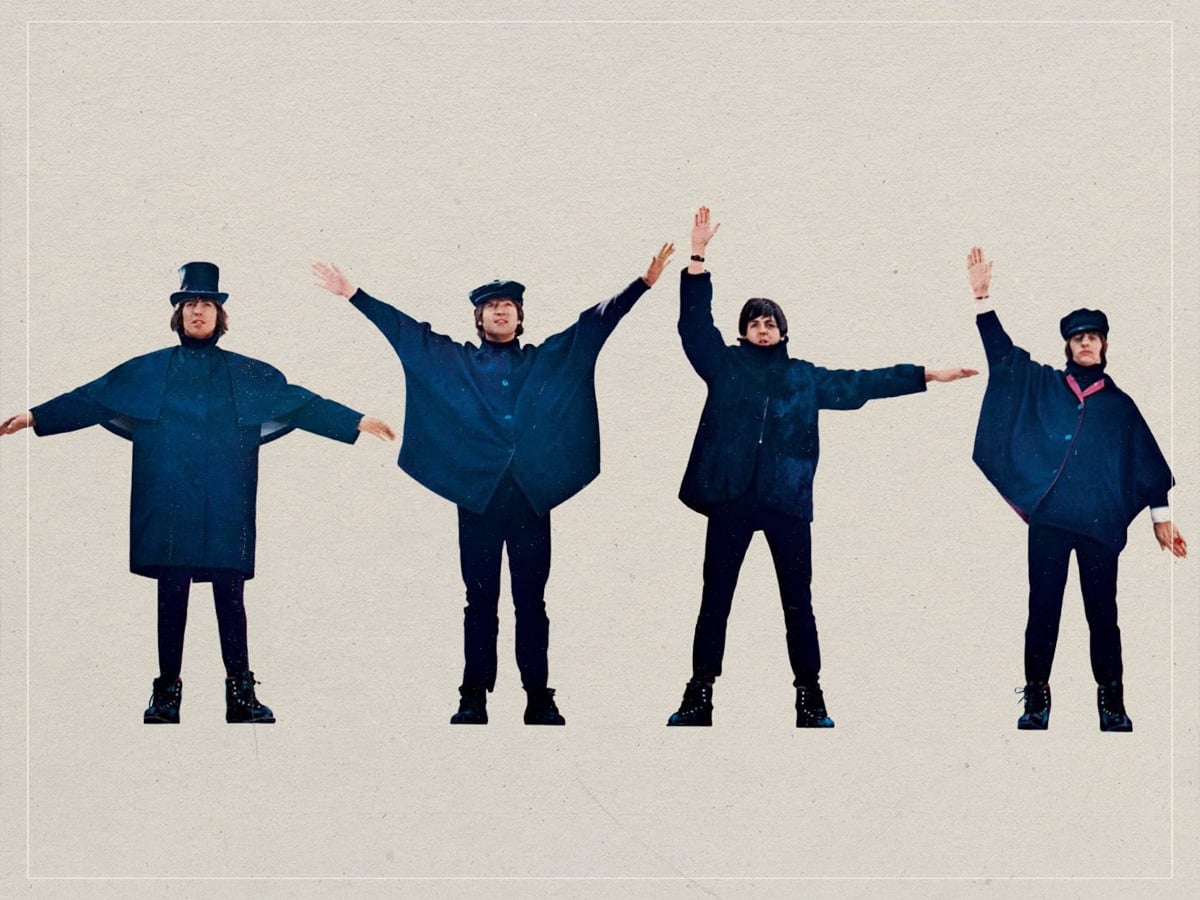
“Dedicated to Elias Howe who invented the sewing machine in 1846”
The Beatles pulled off a genuinely great film debut in 1964 with A Hard Day’s Night, an Oscar-nominated musical smash sensation in which they played fictionalised versions of themselves. It was successful enough that the band could do anything that they wanted for their second feature, which ended up being the wild adventure comedy Help!
While A Hard Day’s Night director Richard Lester returned, the film was very different; it was shot in colour, and set The Beatles up on a spy adventure, parodying the James Bond films, when Ringo Starr is under threat by the members of a cult. The film’s credits that dedicate it to Elias Howe, the inventor of the sewing machine, are just further evidence of the band’s very idiosyncratic sense of humour; Paul McCartney would later state that everyone was high on marijuana throughout all of filming.
‘Scream’ (Wes Craven, 1996)

“No thanks whatsoever to the Santa Rosa City School District Governing Board”
Scream has turned into one of the most successful horror franchises ever, but the first film was by no means a guaranteed success, especially coming off the disappointing box office results of Wes Craven’s previous effort, New Nightmare. One of the reasons that the film worked so well is that it emulated what high school was actually like in the ‘90s, and thus felt much more relatable.
Craven was intent on using an actual school to stand in for Woodsboro High, but faced a major challenge when the Governing Board from Santa Rosa City’s School District pulled out at the last minute, forcing him to search for another location. Craven held a grudge against the board that he aired out in the closing credits of the film, as if to let them know that they missed the chance to be part of a phenomenon.
‘An American Werewolf in London’ (John Landis, 1981)
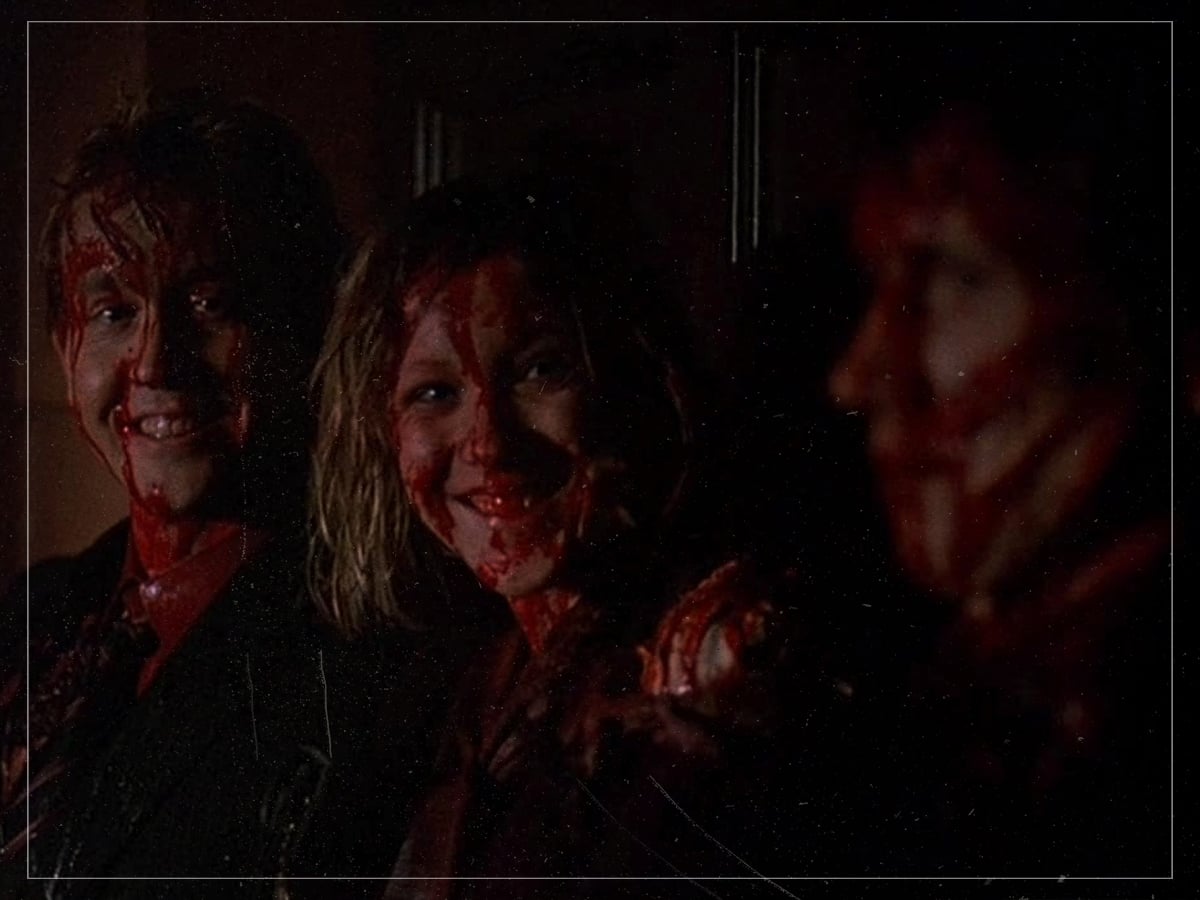
“Any similarities to events living, dead, or undead, is purely coincidental”
John Landis tapped into genius with horror-comedy An American Werewolf in London, which was as scary as it was funny. The makeup used to transform David Naughton into a terrifying werewolf was groundbreaking for the entire industry, but credit should also be given to how Griffin Dunne was able to portray the undead spirit of the character Jack, whose continued appearances as a mangled vision make for one of the film’s best recurring jokes, and inspired a clever mention in the credits that state “any similarities to events living, dead, or undead, is purely coincidential”.
While obviously not based on historical events, An American Werewolf in London paid homage and parodied many classic Universal monster movies, particularly the original Wolf Man. The film is so perfect that it has made it difficult for some of the more ‘traditional’ werewolf movies to stand a chance.
‘Miracle Mile’ (Steve De Jarnatt, 1988)
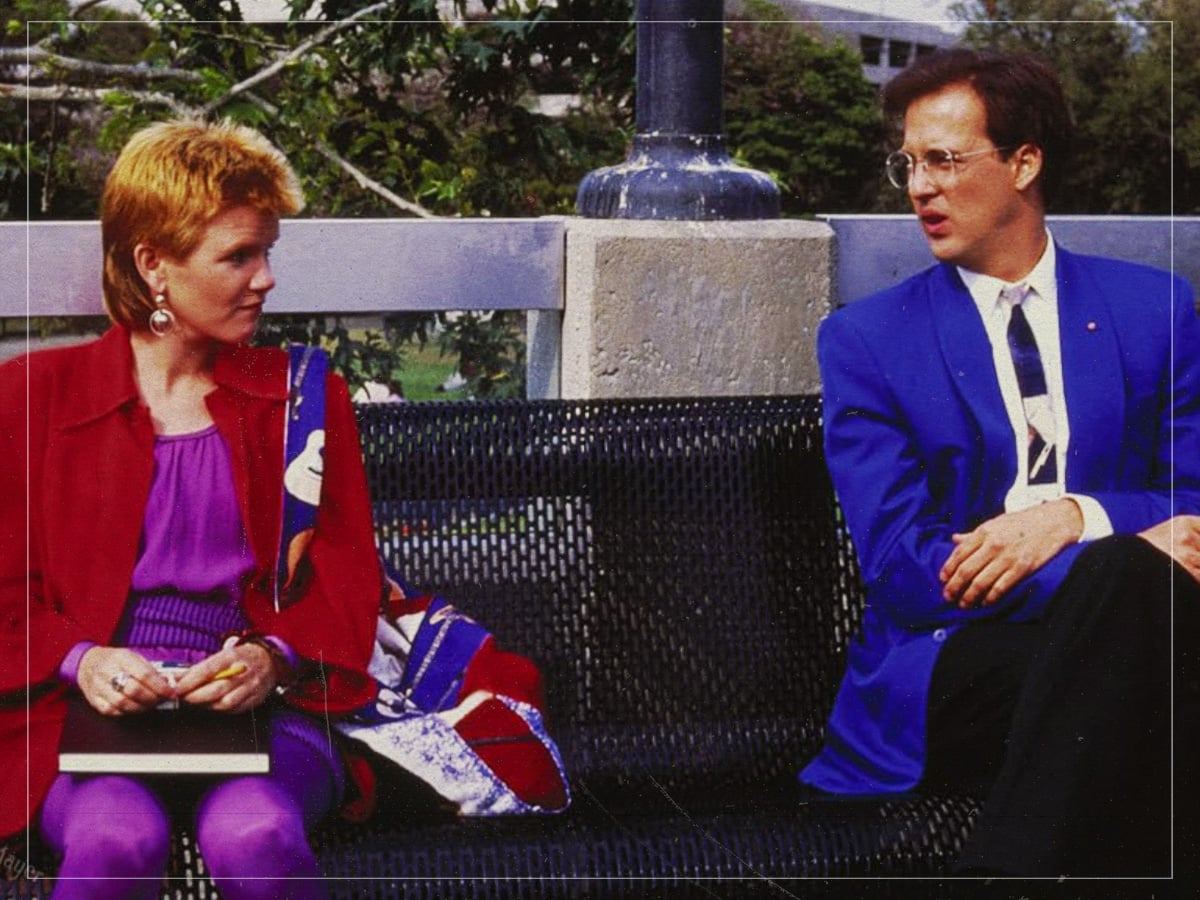
“This film is dedicated to Doctor Biobrain”
Miracle Mile is one of the most underrated films of the 1980s because it effectively explored the paranoia about nuclear war in a way that felt highly relevant as the tension between the Soviet Union and both the United States and the United Kingdom had begun to heat up. It was a novel approach to the topic that explored the perspective of a normal man, and not a member of the military or government.
Included within the credits for the film is a dedication to “Doctor Biobrain”, who some may have assumed to be part of the film’s research into physics and science. In actuality, it was the name of director Steve De Jarnatt’s dog; although De Jarnatt didn’t necessarily go on to become one of the big-name directors of the ‘80s, Miracle Mile is a film that has only become better with age and has solidified itself as a cult classic.
‘Glass’ (M Night Shyamalan, 2019)
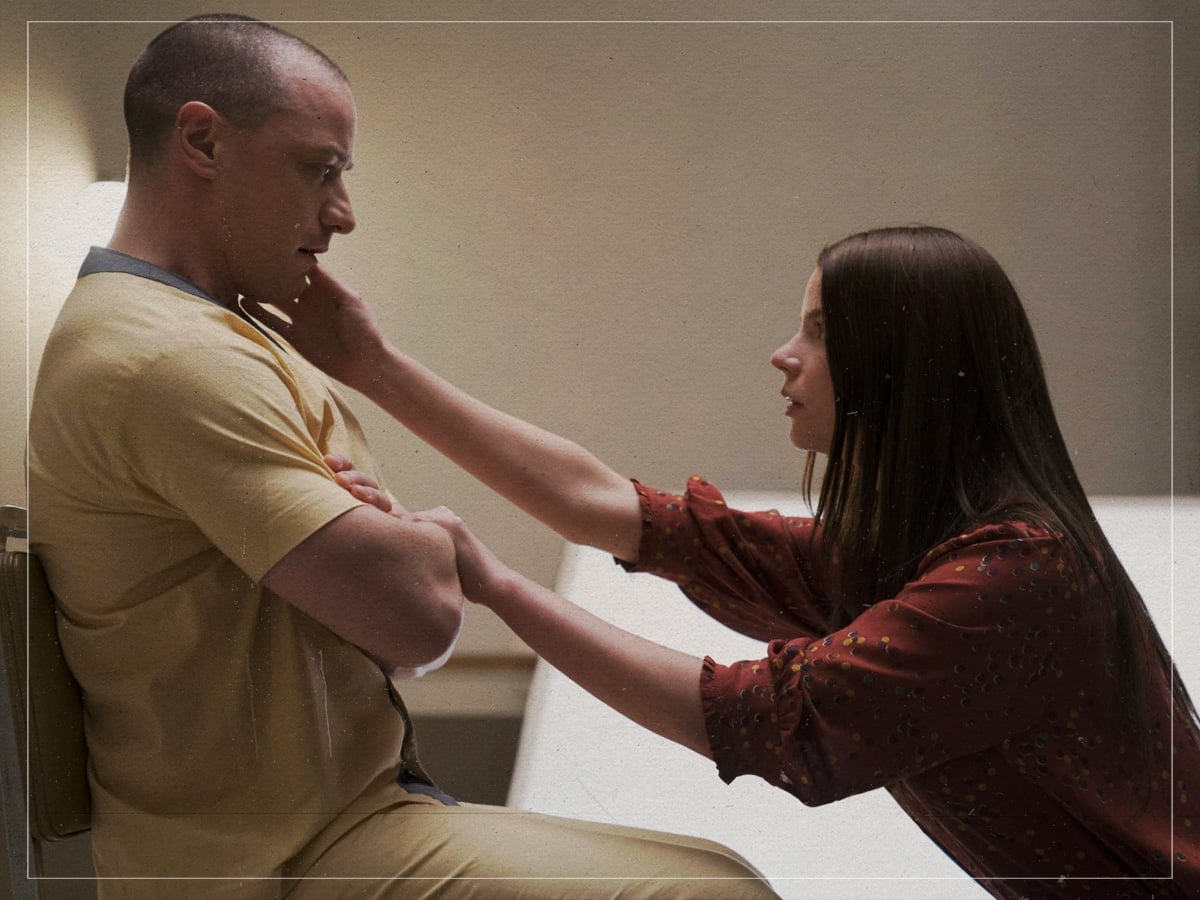
James McAvoy’s credits
James McAvoy is among the most underrated working actors, and no role better showcases his range than that of Kevin Dunn in the M Night Shyamalan films Split and Glass. Dunn’s ability is to switch between the different personalities that occupy his body, and McAvoy is brilliantly able to alter his performance in order to encapsulate them all.
After the ending credits of Split revealed that it was a stealth sequel to Unbreakable, Shyamalan closed out the unusual trilogy with Glass, which united McAvoy with Bruce Willis and Samuel L Jackson. Although the film was generally considered to be a disappointment, thanks to another ridiculous Shyamalan twist, McAvoy’s performance was just as brilliant. In acknowledgement of his work, Glass credits McAvoy for all 24 different roles that he played, as each required him to go through a different acting process to get into character.
‘Deadpool 2’ (David Leitch, 2018)
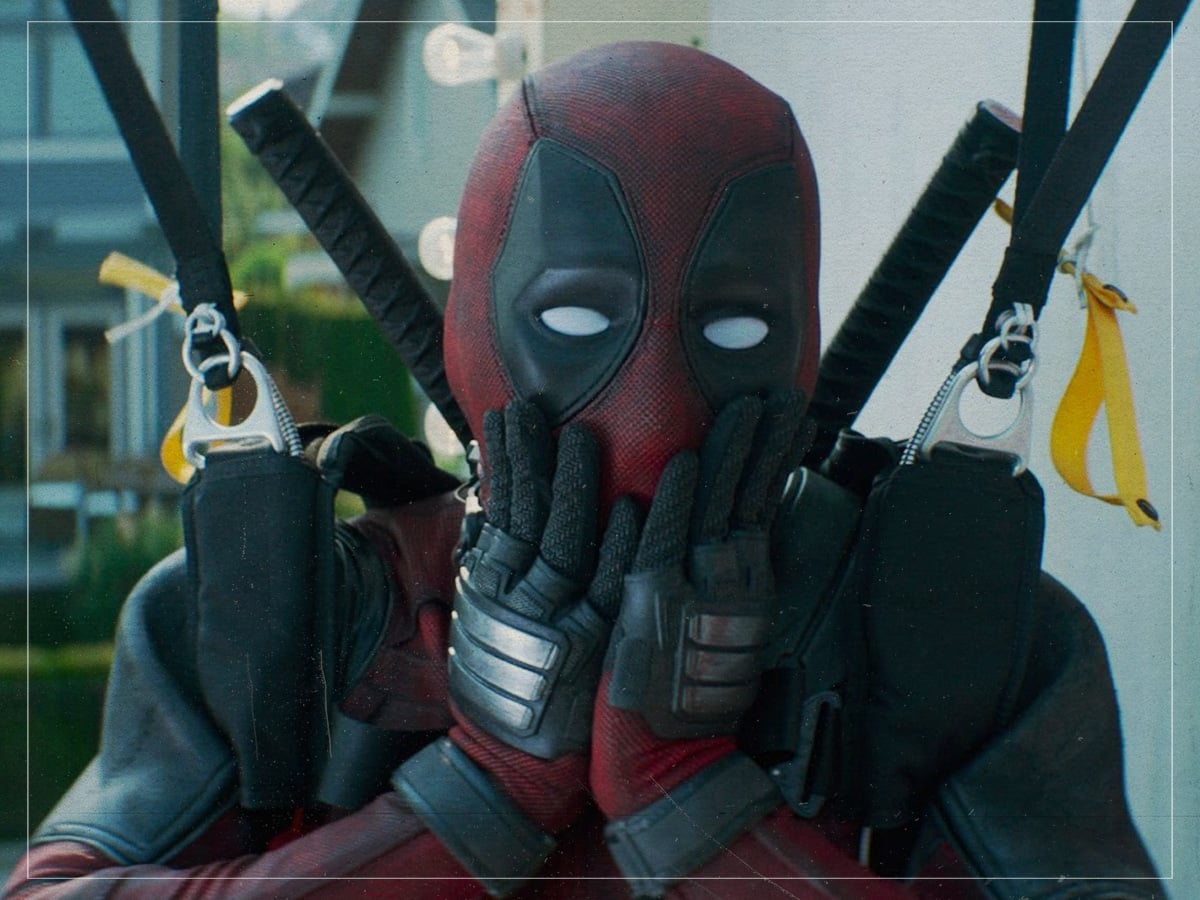
“Redneck #2 – Dickie Greenleaf”
Deadpool emerged as a passion project for Ryan Reynolds after the character’s disastrous appearance in X-Men Origins: Wolverine, and ended up becoming the highest-grossing R-rated film of all time at the global box office. It was clearly a film that was admired by the industry, and allowed the sequel to have even more meta jokes and cameos.
Matt Damon has a brief cameo in the film as a redneck, which isn’t all that surprising given his history of cameos. However, the credits include a layered joke in reference to his performance, where “Redneck #2” is attributed to being played by Dickie Greenleaf, the character played by Jude Law in The Talented Mr Ripley. In that, Damon’s character, Tom Ripley, becomes obsessed with Dickie before murdering him and stealing his identity. Apparently, there’s an alternate reality where Tom retained his identity as Dickie and became an extra in superhero movies.
‘Eternals’ (Chloe Zhao, 2021)

“Eternals will return”
Chloe Zhao was fresh off winning both ‘Best Picture’ and ‘Best Director’ for Nomadland when she made Eternals, the first film in the Marvel Cinematic Universe to flat-out bomb and be panned by critics. Its performance couldn’t be blamed on the pandemic, as Black Widow and Shang-Chi and the Legend of the Ten Rings had both made a reasonable amount months earlier, and had received moderately positive reviews. Eternals was a swing that didn’t pay off, as the characters were simply stiff and unlikable.
Although the credits for the film mentioned that the “Eternals will return”, a sequel was never dated, and there has been no follow-up since. Outside of a brief reference to the extraterrestrial vessel in Captain America: Brave New World, the MCU has moved on, pretending that Eternals never happened, making the promise at the end of the film an outright lie.
Credit: Source link