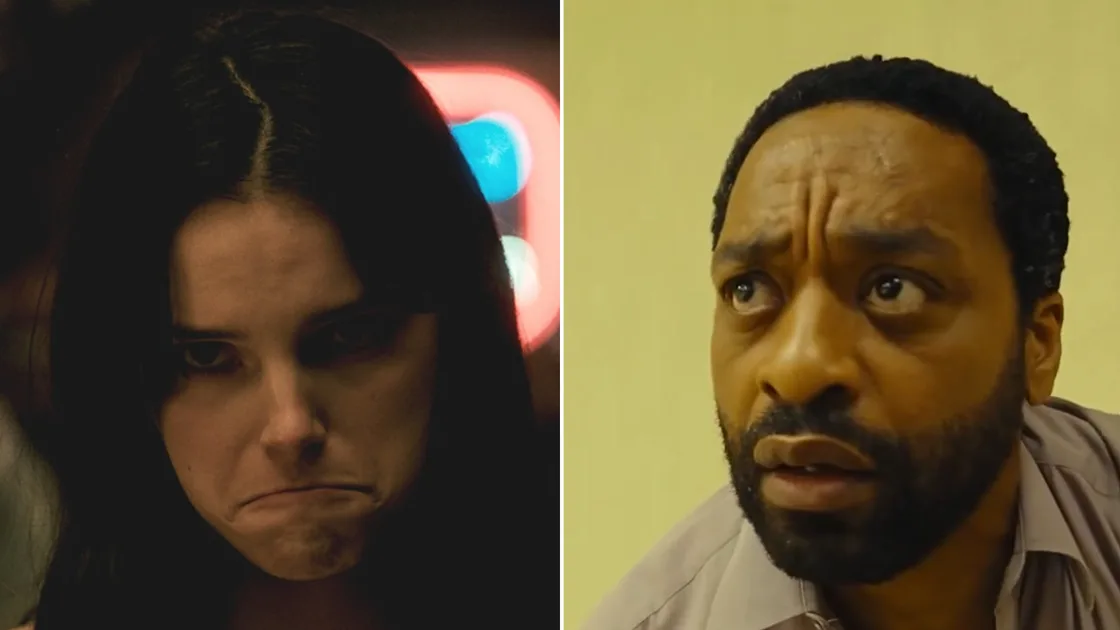
If you’ve been online at all over the last couple of weeks, there’s no doubt you would have stumbled across clips from either Obsession or Backrooms – two recently released independent horror films that have taken over the internet — and Hollywood.
Jokingly dubbed online as the “Barbenheimer for sickos” – referencing the cultural craze that emerged when blockbusters Barbie and Oppenheimer were released back-to-back in 2023 – these films aren’t just drawing in horror fans, they’ve got everyone obsessed (pun intended).
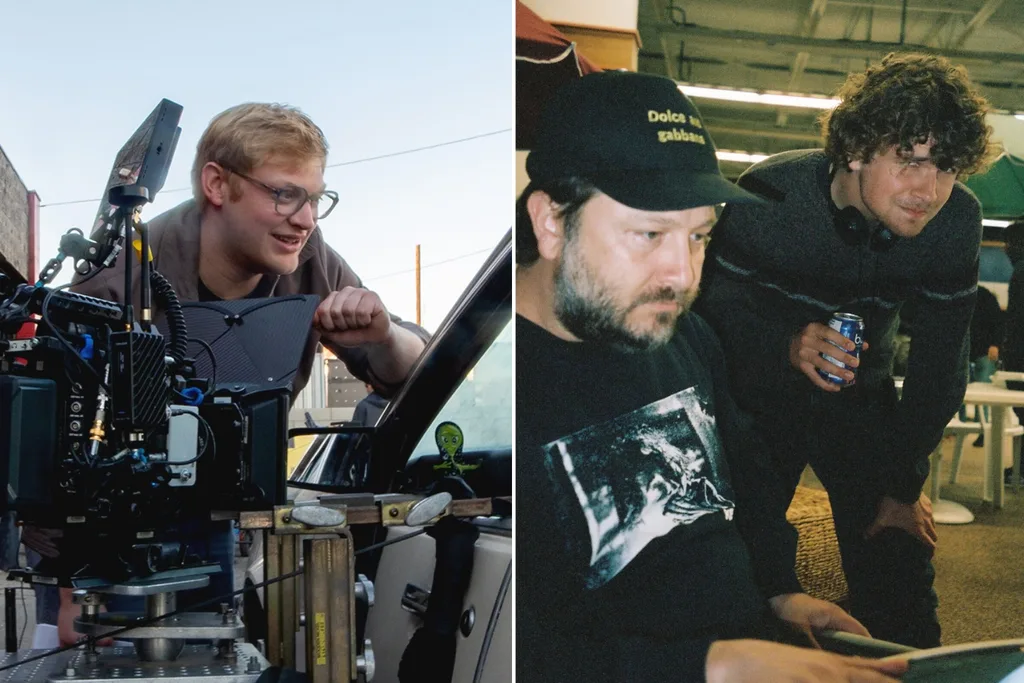
Obsession, directed by 26-year-old American filmmaker Curry Barker, is about a love obsession gone wrong after a man wishes for his co-worker to fall madly in love with him. As is typical of indie film budgets, it was made for just US$750,000, but since its release, it has made over US$234.5 million globally, growing week on week at the box office.
It’s a feat that, as legendary horror director Jason Blum said at a Produced By Conference at Universal Studios, is “unbelievable” and hasn’t happened “since E.T.”
Backrooms came from a concept produced by Kane Parsons, a 20-year-old YouTube filmmaker turned A24 director, who turned an internet “creepypasta” – which refers to urban horror legends that exist in online forums – about an infinite (and weirdly recognisable) labyrinth of empty rooms into a film that’s already outpaced Scream 7, grossing around US$212.7 million worldwide from a reported starting budget of US$10 million.
However, their success doesn’t just prove that they’re good films, but instead points to the enduring relevance of the horror genre, audiences’ desire for more experimental films, and how internet cultures are key to a film’s relevance and survival.
“I say this to anyone who will listen: The horror genre keeps saving our industry,” James Wan, director of Saw, The Conjuring and Insidious, said at the same conference as Blum in May 2026.
Speaking to WHO, Caleb Finn – Australian horror content creator and children’s horror author – and Silvi Vann-Wall – Melbourne-based film critic and journalist – unpack why these films are garnering such success, and what keeps drawing audiences back to the horror genre in a world that already contains so many of its themes.
Audiences are seeking “fresh voices” over the “routine” of Hollywood blockbusters
So what is it about these films that has captured the hearts of horror and non-horror fans alike?
“I think horror has always had a really tantalising space in cinema,” Finn says. “Because they always seem to do very well with minimal budgets.”
“[Obsession and Backrooms] have interesting concepts, and it feels like something different. It’s coming from fresh voices, and brand new people that are still young and have something they want to say…it’s shown that people are craving brand new voices and brand new stories.”
Vann-Wall also reflected on how the films’ indie context allowed for “bigger risks” that Hollywood films can’t afford to take.
“I think indie horror is currently doing a better job than Hollywood at being original and drawing in crowds because they are taking bigger risks,” they said. “Essentially, Hollywood is a well-oiled machine with lots of big businesses that have won these hard-earned audiences that know what they like and want the same thing every time – or they presume they want the same thing every time – and they don’t want to lose those audiences, especially with cinema numbers dwindling since COVID.”
Hollywood’s “fear to take risks” has fuelled a desire by audiences for “original ideas.”
“I feel like a lot of people are sick of the routine of Hollywood movies,” Finn added. “There’s a lot of sequels, there’s a lot of remakes…people are just craving something new and exciting.”
However, Vann-Wall noted that Hollywood is starting to take note of this desire, citing the release of Apple TV’s 2026 comedy-horror series Widow’s Bay as an example of the possibility for mainstream brands to take “bigger risks.”
“I think the way that the horror is written in [Widow’s Bay], which is blended with comedy, is really fun and exciting,” they said. “It’s the stuff that you’d expect from indie creators, but it is done under a big-name brand. So it is possible to blend the two.”
“I think things are shifting. I think we’re seeing that across the board and over the next few years I think Hollywood might get the message and we might start seeing some bigger risks in mainstream film.”
Why does horror resonate so much with audiences?
But why horror? And why this appetite for creepiness or being terrified when the real world already feels like enough?
“People want to chase that emotion of wanting to be scared,” Finn observed. “It’s an anomaly amongst all the other emotions. You want them to feel gross and awful and just out of place…people are drawn to the morbid curiosity.”
Vann-Wall adds to this idea by noting the desire we have as humans to explore taboos in a “way that is safe.”
“To be a voyeur, for example of a gruesome murder, obviously is a taboo in society,” they said. “But horror allows us to exercise that curiosity in a way that is safe.”
“We can explore these feelings which I think we are all naturally curious for because as humans we want to learn and we want to know things, so it allows us to explore those taboo ideas in an art form.”
They also believe there’s an element of “catharsis” that audiences can get from horror films after so much tension is built and then released when the main character survives or the antagonist, in whatever form it takes, is “vanquished.”
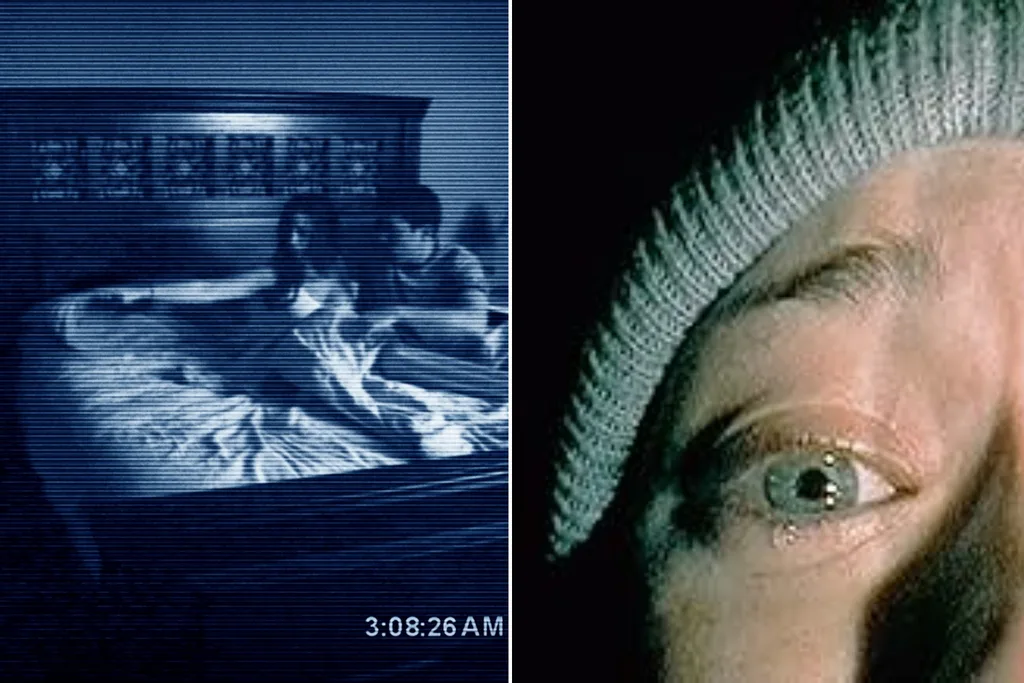
However, this curiosity isn’t new. Almost every generation has had its own defining horror moment. From The Blair Witch Project to Paranormal Activity, throughout generations films that were made for almost nothing have captured everything about the cultural moment they landed in.
“It just shows that there is an audience that is so interested in these stories, especially horror,” Finn said. “Over decades, there’s just been success stories all over the place.”
“Blair Witch Project, Paranormal Activity… Every generation has had its own thing, and I think this is the one for Gen Z, this moment, this double whammy.”
The internet has reshaped how we interact with films
What’s changed for this new generation – and these films especially – is how intertwined the internet is in defining and fostering culture.
It’s the ultimate ‘word-of-mouth’ tool, and while these films may have had pre-existing online followings that proved their production was worth the risk, the way these stories reached masses outside of these niche communities is something only our current digital age can produce.
These films didn’t just find horror fans…they found everyone.
“I saw Backrooms in theatres, and it was such a diverse range of ages,” Finn said. “I was expecting to see 13 to 18-year-olds. I saw 50 to 60-year-olds, which completely took me by surprise.”
Why? As Finn put it: “There’s an innate wanting to be in on the thing.”
When it comes to the spread of Obsession and Backrooms online, people were craving to be a part of the cultural event taking over our feeds…before even buying a ticket to the theatre (at least I know I did).
Let’s see if Hollywood noticed and was taking notes.
Related

Credit: Source link