
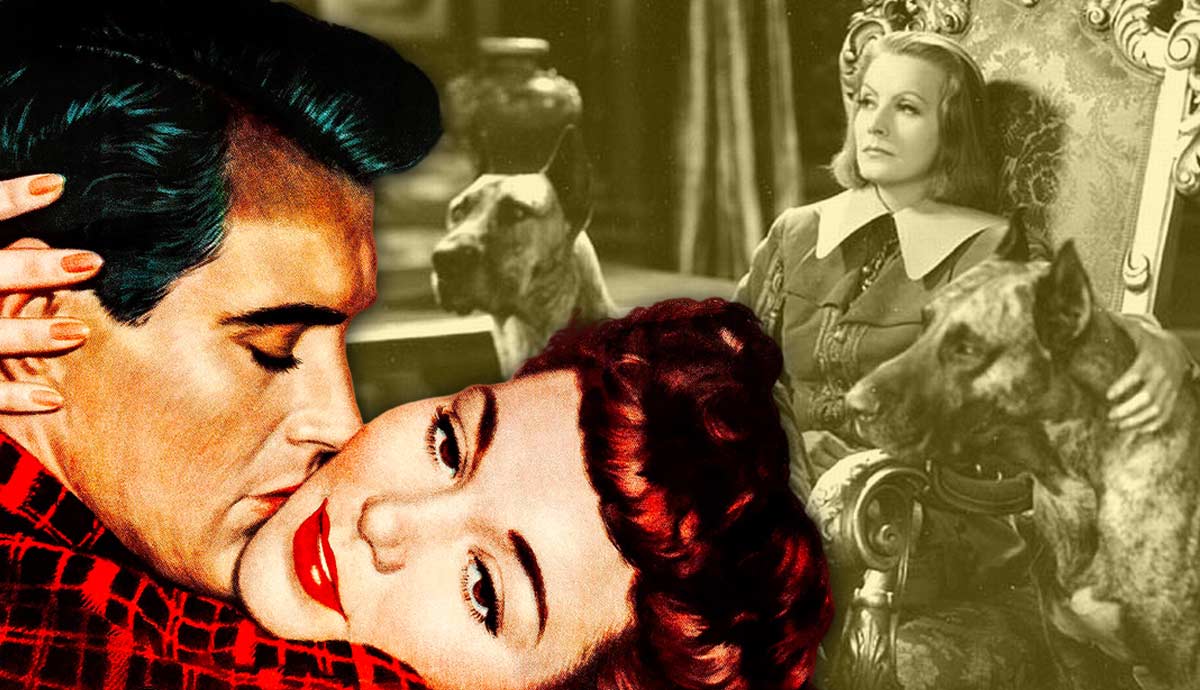
Call them female-centered melodramas, tearjerkers—or just “weepies”—these were the marquee movies that made the early careers of such celebrated screen divas as Greta Garbo, Joan Crawford, Bette Davis, and Barbara Stanwyck. Later on, as those stars aged out of such roles, Judy Garland, Lana Turner, Jane Wyman, and others starred in a hit parade of “three-handkerchief” classics. More so than other genres, women’s films mirrored the stresses and strains of the struggle to define what was “women’s place” in a radically modernizing 20th century.
Women’s Film: Sacrifice, Identity, and the Illusion of Having It All
If there was a common thread running through these distaff film features it was, indeed, motherhood. On a deeper, structural level, keen viewers will note how frequently the female protagonist either embraces her traditional role as mother or resists and denies it. Often there’s a schizoid tension between the two alternatives, typically brought on by the demands of child-rearing and/or professional career. Dollars to donuts, the “good woman” will ultimately choose self-sacrifice over self. In the last reel, she will typically exit standing by her man, her child, or her home—and often all three. This is not exactly what the 21st-century working woman means by “having it all.” So let’s take a walk down movie memory lane leading to that white picket fence surrounding home, sweet home.
Maternal Melodramas Are Born
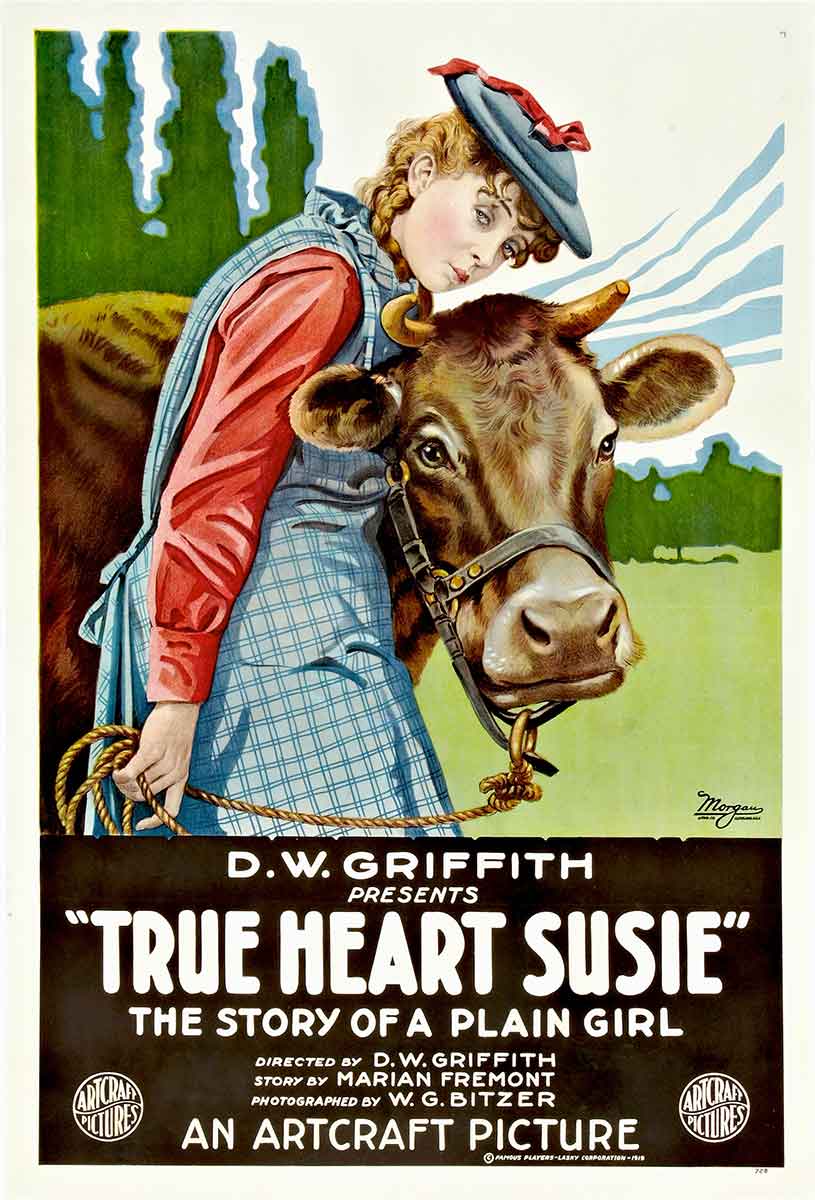
Where might one witness the birth of these screen melodramas? While the 1920s were the prodigal “Jazz Age” of flappers, bootleggers, and social-climbing Jay Gatsbys, it was also the decade that plenty of silent movies blew kisses to the prim, old-fashioned, 19th-century female. Few directors were better at this than the pioneering D.W. Griffith, whose film legacy has been sadly—if righteously—stained by his notoriously racist 1915 Civil War epic, The Birth of a Nation.
That has overshadowed such little gems as his 1919 True Heart Susie, starring his favorite actress, Lillian Gish. While the title is tell-tale, it hardly does justice to Gish’s spunky, self-effacing Susie, a small-town girl who suffers in silence while the bumpkin (Bobby Harron) she’s loved since childhood is tricked into marriage by a gold-digging “painted lady” from the big city. Susie can only watch as her gullible beau gets hooked and reeled in by Bettina, a prototype two-faced femme fatale who smokes, parties, and dances the Charleston on the sly. Gish’s Susie never sours on her mom-and-apple-pie goodness, and Griffith salutes his heroine by serving up a handful of remarkably audacious close-ups that wordlessly express her lovelorn sorrows.
The Great Greta
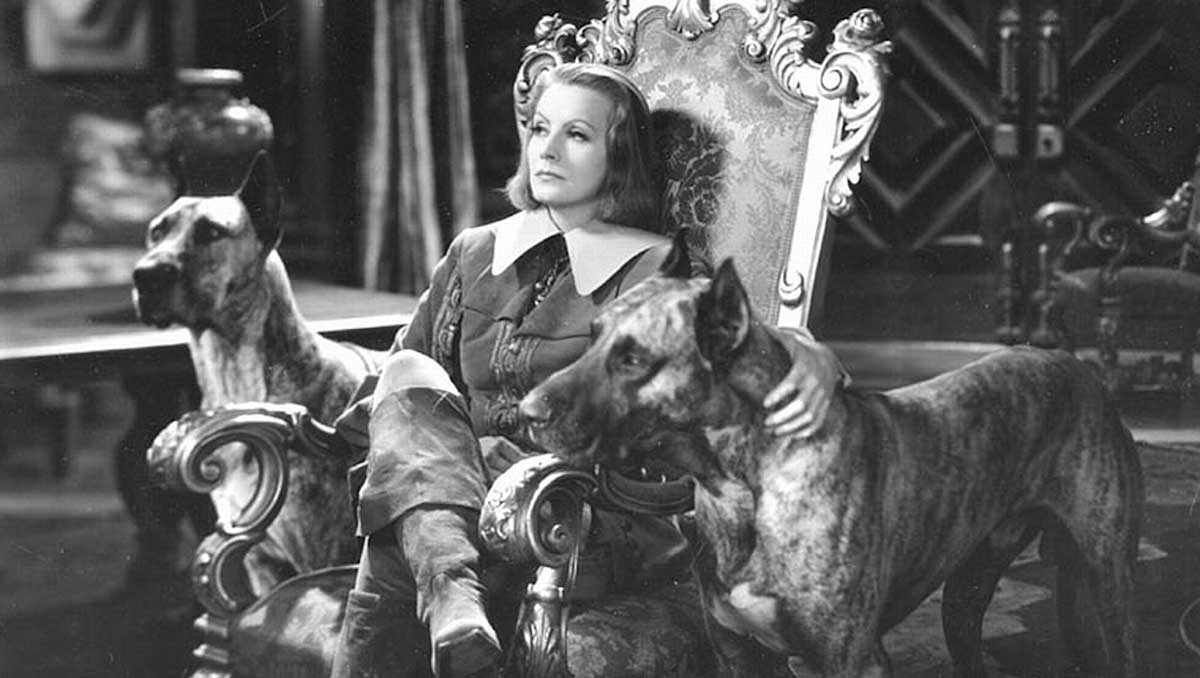
She was a 1920s otherworldly star phenomenon, the “Swedish sphinx,” or just simply “the Face.” This was Greta Gustafsson, aka Greta Garbo, and soon after Hollywood’s glamorous M-G-M studio signed her, she shot to worldwide fame. Yet, M-G-M seemed to always plop the ethereal, mysterious Garbo in the driver’s seat for a trip around the same suffering-for-love back-lot block.
But with 1933’s Queen Christina, loosely based on the life of the 17th-century Swedish monarch, Garbo finally grabbed a role to match her regal beauty. She was no doubt aided by both Rouben Mamoulian’s attentive direction and the casting of John Gilbert, Garbo’s onetime swain whom she insisted on as her leading man. In the clever, gender-bending plot that reveals more than a little about Garbo’s own persuasions, Christina is one ruling monarch who not only “mans up,” but likes to dress like one too.
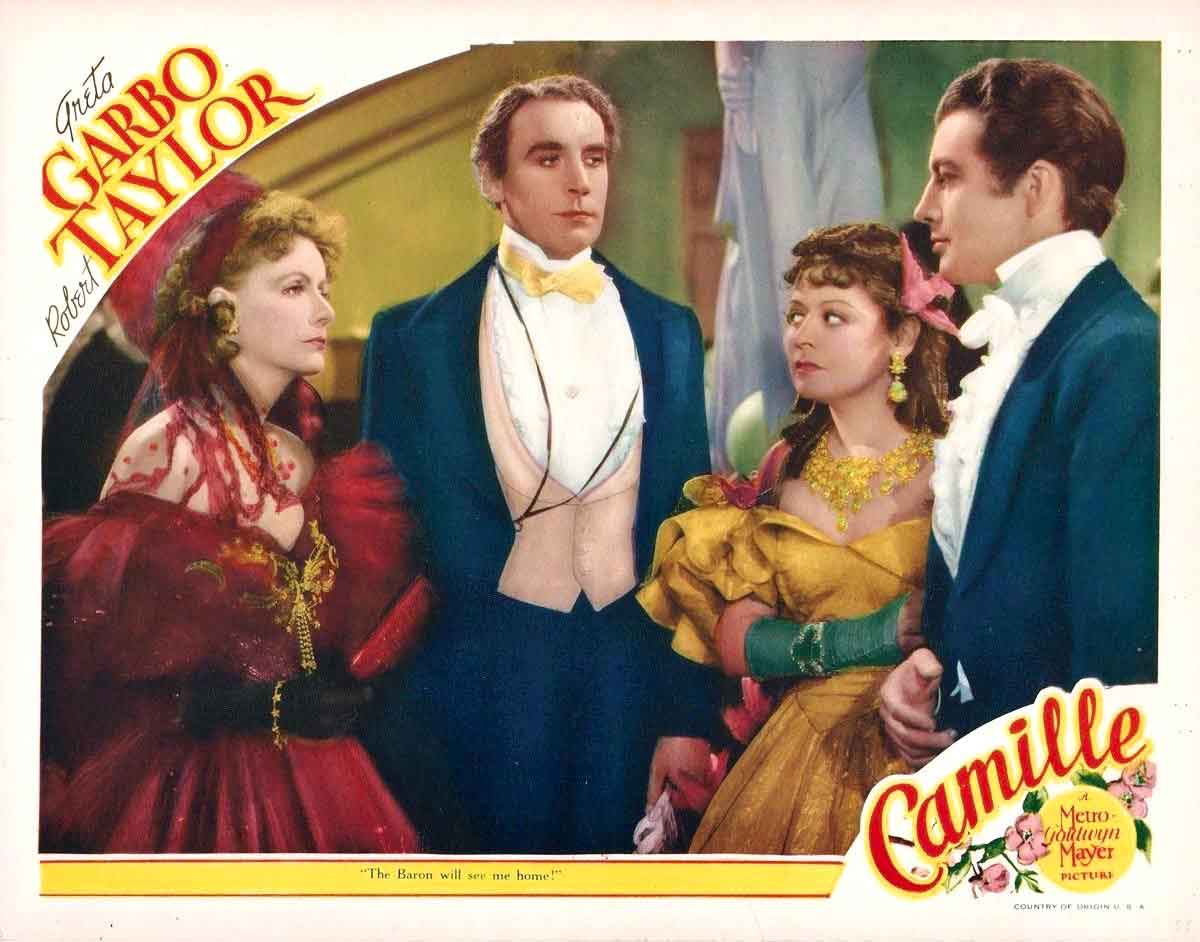
For a Garbo double-feature, viewers could hardly follow the Queen with better pomp and circumstance than 1937’s Camille, based on an old stage warhorse by Alexandre Dumas, fils. While noted “woman’s director” George Cukor credited storied M-G-M production mogul Irving Thalberg with perhaps Garbo’s greatest picture, it’s Cukor who elicited the excellent supporting performances, all opposite Garbo’s fated Paris courtesan, Marguerite Gautier. As Armand, Robert Taylor is the strapping young blue-blood who falls hard for the fallen lady, while Henry Daniell plays his suavely diabolical father, who schemes to prevent Armand from tainting his career—and family name—with such an unholy alliance. Credit for the tight, nuanced adaptation goes to two of old Hollywood’s most notable female scenarists, Zoe Akins and Frances Marion, along with co-writer James Hilton.
Martyred Mothers
Few Hollywood actresses could match the resume of Barbara Stanwyck, whose long, prolific career encompassed every sort of female role, from card-shark grifter and helpless heiress to cattle baron and murderous femme fatale. She also went domestic in a big way for the title role in director King Vidor’s 1937 stellar remake of Stella Dallas, based on a book by Olive Prouty. Poor Stella might be from the wrong side of the tracks, but she nevertheless railroads a fancy-pants gentleman into marriage. It doesn’t last, leaving Stella to raise a daughter (Anne Shirley) to whom she lavishes all the things she never had—i.e., money, taste, and class. But soon enough Stella will face the mother of all motherly dilemmas: Does she love her daughter enough to give her up?
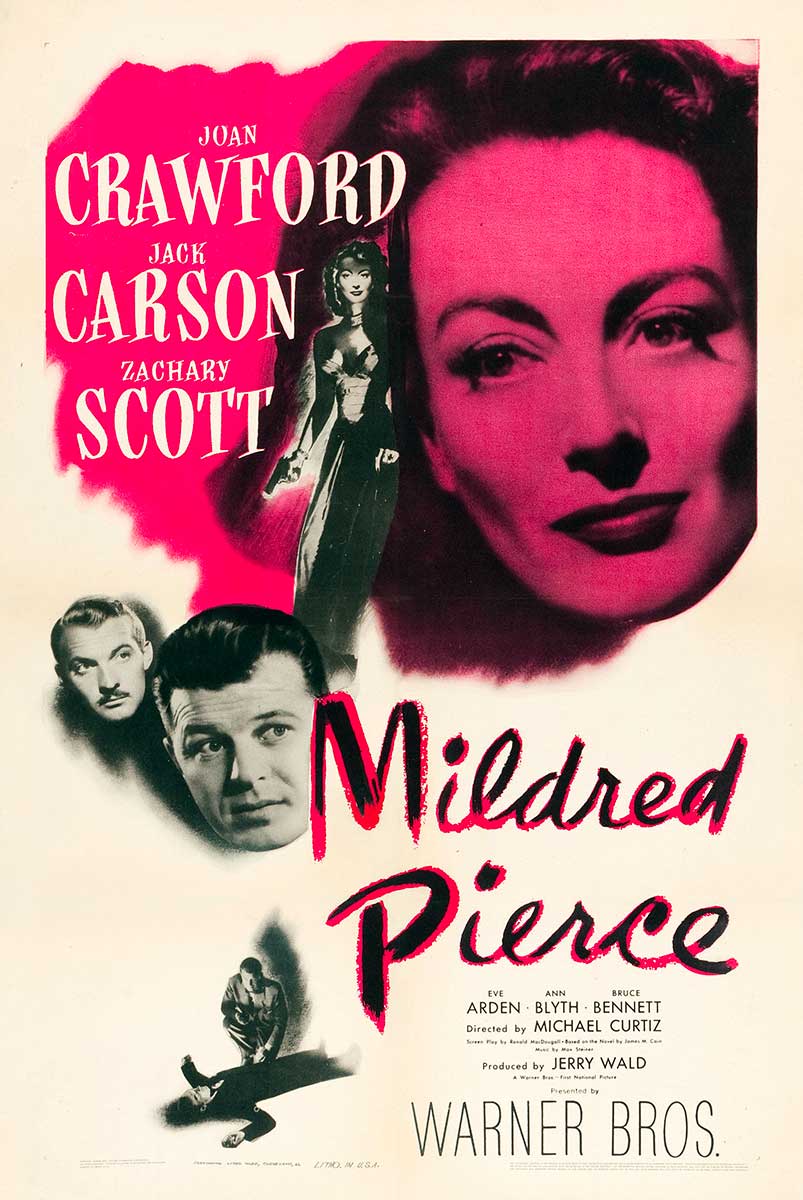
She was born Lucille Le Sueur in Texas, trained as a dancer, and skipped to Hollywood in the mid-1920s. Her new name—Joan Crawford—was Tinseltown personified, as it was chosen after a national publicity contest. From the silent era and into the Thirties, she was a huge star at the M-G-M studio, typecast in saucy “flapper” or working-girl parts that flirted with the censors. In the 1940s, her career in the doldrums, Crawford not only made a triumphant comeback in her Mildred Pierce title role, it won her only Best Actress Oscar. Directed by the veteran Michael Curtiz from James M. Cain’s “hardboiled” novel, Crawford’s 1945 tour-de-force is a delectable hybrid that spices up the classic woman’s film with a dash or two of sinister film noir. Bailing out on her sad-sack husband, Mildred moves from dirty dishes to L.A. riches, stepping up from stay-at-home mom to ritzy restaurateur. But what happens when Mildred’s spoiled, snobby daughter (Ann Blyth) hungers for more than one silver spoon?
Postwar Women in Love
It’s striking how many of these classic Hollywood melodramas (meaning “music” plus “drama”) were directed by East European émigrés. Having fled to the U.S. during the early years of World War II, German-born Max Ophuls had to wait until 1948 to deliver his first-class Letter from an Unknown Woman, starring Joan Fontaine in one of her best roles, rivaling her performance in Alfred Hitchcock’s Rebecca. Based on a 1922 novella by Stefan Zweig and more Germanic than American in tone, Letter is a heartbreaking valentine to the perils of storybook “true romance,” most especially when one of the lovers is a dashing, self-absorbed rake.
While the story is framed by a confessional letter written and narrated by Fontaine’s Lisa to Stefan (Louis Jourdan), what matters most to Ophuls and his cinematographer Franz Planer is not strictly her words and feelings but rather how to translate them into pure cinematic language. And that they do, in a sublime symphony of bravura dolly and tracking shots that deftly fill in what’s between Lisa’s grievous lines.
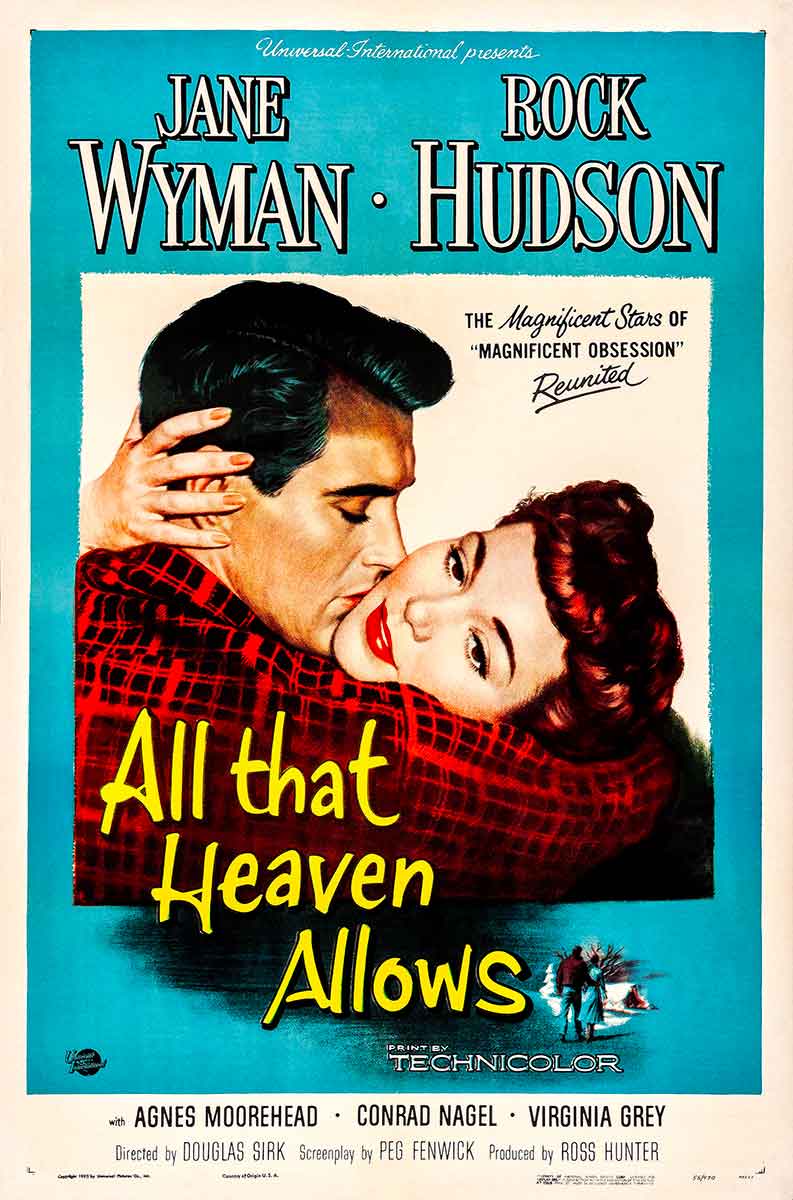
Ah yes, Douglas Sirk. In retrospect, he’s likely the most prominent woman’s film director of the 1950s. He scores at least two on any “greatest hits” list, including 1956’s All that Heaven Allows, the story of a taboo romance between a suburban widow (Jane Wyman) and her young, handsome, Thoreau-natured gardener (Rock Hudson). A divine Hollywood melodrama for contemporary directors like Todd Haynes (who remade it as Far from Heaven in 2002), it nurtures the scandalous suggestion that a middle-aged woman can have romantic drives and desires, much to the alarm of her busybody friends and neighbors. While today the cat is out of the bag that Hudson was a closeted gay actor—adding perhaps a subversive slant to his roles like this—it’s really Sirk’s caustic treatment of conservative, TV-worshiping Eisenhower 1950s that allows Heaven to transcend its glitzy Technicolor façade.
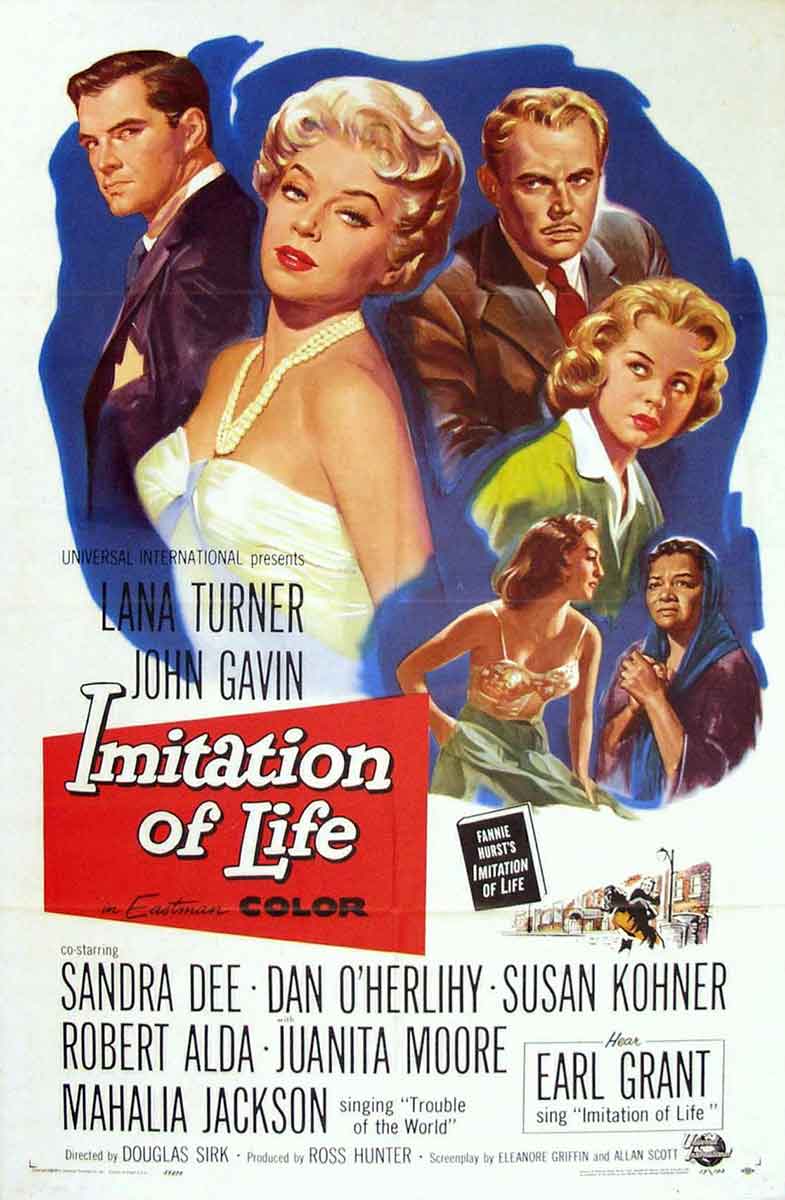
In 1959 Sirk remade the restrained, exemplary 1937 version of novelist Fannie Hurst’s Imitation of Life (starring Claudette Colbert) as an extravagant coda to his Hollywood career, rebooting it into Universal Pictures’ biggest bona-fide moneymaker up to then. While the remake has its critics for being so inimitably over-the-top, Sirk’s swan song bangs every melodramatic note, including Lana Turner’s performance as a shallow single mother who, ala Mildred Pierce, wildly succeeds in her solo career by trying really, really hard. Indeed, Sirk makes acting and performance front-and-center in his critical undertones, whether Turner as Lora, drama-queen actress, her dutiful African-American maid Annie (Juanita Moore) or Annie’s light-skinned daughter (Susan Kohner), who continually and desperately tries to “pass” as white in public, much to her mother’s despair.
Woman’s Film: She’s Leaving Home
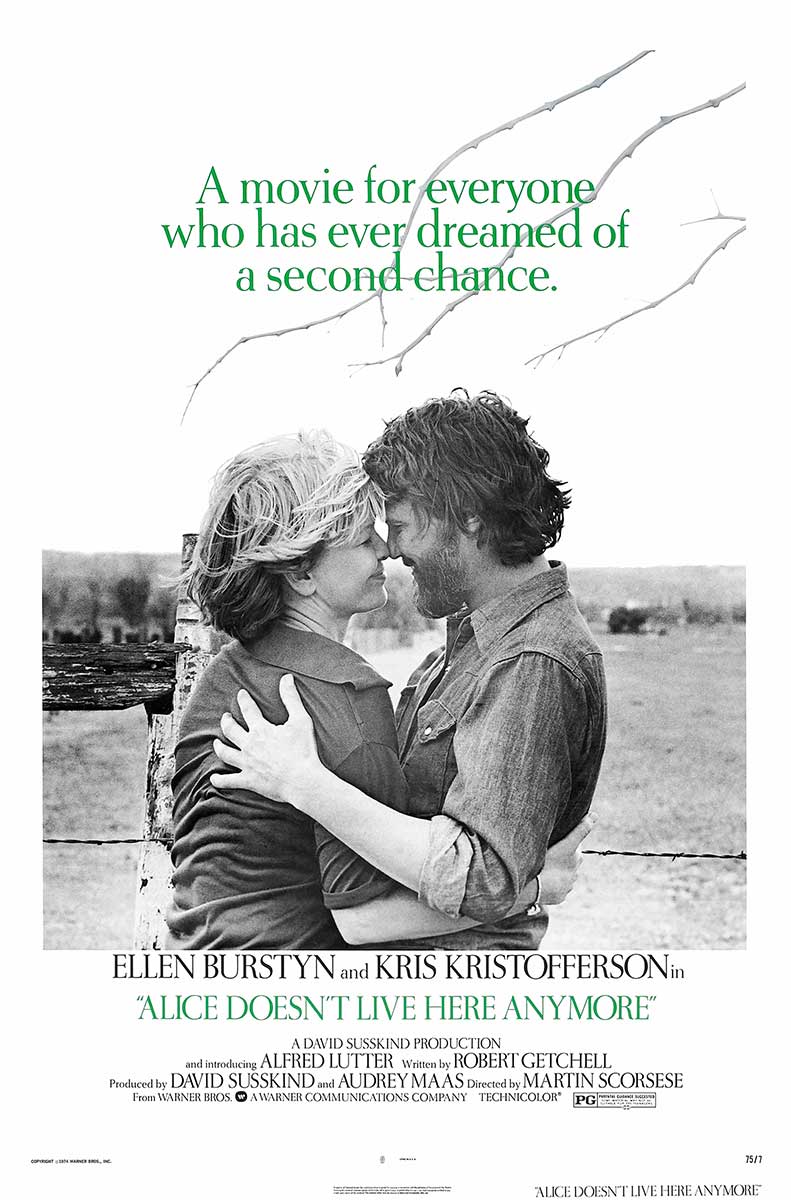
Despite his reputation as a masterful auteur of blistering true-crime dramas and sinewy biopics, early in his career Martin Scorsese was sought out by rising star Ellen Burstyn (on a tip from Francis Coppola) to direct her in a novel “New Hollywood” film about a suddenly single wife who hits the road west to start her life over, toting her ornery young son with her. The result was 1975’s Alice Doesn’t Live Here Anymore, an Oscar-winning sleeper success that consciously takes on and revises (and perhaps aborts) the vintage woman’s picture with a strong dose of stark, shot-on-location naturalism. While softened by a dreamy fledgling romance between Alice and a rugged but mild-mannered rancher (the late Kris Kristofferson), Scorsese and writer Robert Getchell’s modernist maternal road movie doesn’t give its abruptly liberated heroine an easy out, least of all through any over-the-rainbow rabbit holes.
Credit: Source link