
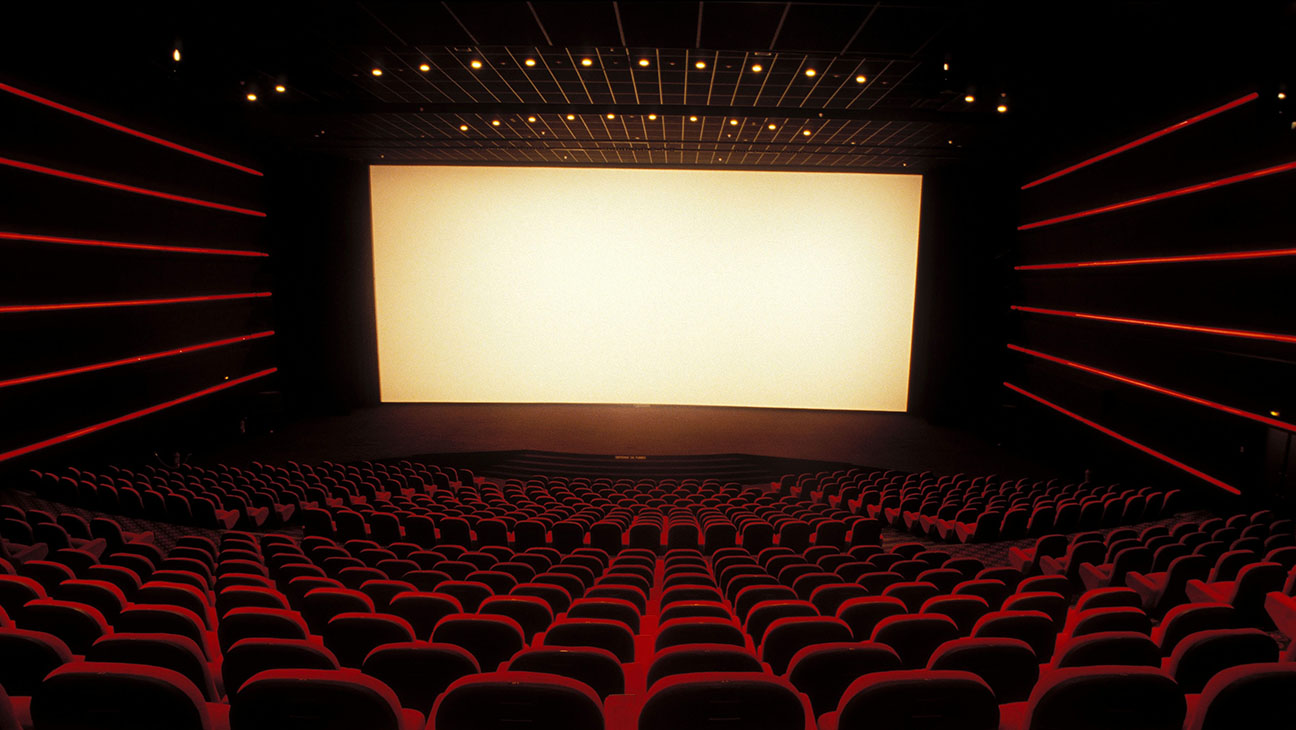
When considering the challenges faced by the movie industry, the emphasis is often on 45-day windows to premium video on-demand or on costs, marketing and debt. What’s rarely in focus are the practical ways to improve the viewing environment: the actual experience of sitting in a theater and the format an exhibitor offers to the moviegoer.
Look at the scramble to get tickets for Christopher Nolan’s epic Imax-filmed feature The Odyssey. Premium large formats (PLF) — think: Imax, Dolby — are the highest-yield seats in the building. They carry the best picture and sound, the highest ticket prices, and the strongest demand on opening. Yet for big studio films, those screens are often available for only two weekends, maybe three. Then the film is pushed out to make room for the next release, regardless of whether demand remains.
That’s money left on the table, and it highlights a broader, recurring challenge. You see this in weeks three and four of a film’s release. The core audience hasn’t fully burned off. Late adopters are just arriving. Word-of-mouth is still strong. However, the premium screens are gone, replaced by a new title that may or may not have the same draw. The original film shifts to standard auditoriums, where profits drop even though customers are still willing to pay for the premium experience.
The underlying cause is a supply problem. The business is underscreened for PLF; we lack enough premium-capable screens to match the performance of modern films. Big titles don’t just open and collapse. They open big and then stay for a while. Sometimes for weeks (think: Tom Cruise’s Top Gun: Maverick, Spider-Man: No Way Home, or Nolan’s own Oppenheimer). The current model — two weeks of PLF, then out — assumes a faster decline than we often see in practice, especially during holiday.
Addressing this, adding more premium screens, causes two immediate effects. First, it extends the premium tail. A film that still generates demand in weeks three and four can continue to show on at least one premium screen while a new title opens on others. This removes a binary choice. We retain the higher-priced tickets longer, increasing total gross without altering the film itself.
Second, we reduce scheduling pressure. Currently, each new release competes for a limited number of premium slots, leading to forced turnover. Increasing premium capacity allows exhibitors to program based on demand.
Beyond these direct effects, there’s an essential downstream benefit that gets overlooked. If we expand premium capacity, we can rethink pricing on standard screens. Today, standard tickets are often priced higher because the venue must meet a certain revenue target. Premium screens do much of the heavy lifting. Add more of them, and we have room to lower prices in non-premium auditoriums without hurting the overall economics.
Moviegoing has become too expensive for a significant percentage of the audience. We must make it more affordable for families and others to go to a theater. That means offering less expensive tickets.
Discount Tuesday has become an industry-wide practice in North America. Nearly every major chain offers reduced ticket prices on Tuesdays, which substantially increases attendance compared with other weekdays. Tuesday is usually the busiest and often the most profitable non-weekend day for exhibitors due to a combination of discounted prices and strong concession sales. The lesson is clear. Keep pricing low and simple.
Offering lower-priced tickets on additional days, hopefully every day, will increase moviegoing and benefit the overall business. Studies show moviegoing begets moviegoing.
Additionally, even though exhibitors earn less per ticket because of the discount, concession sales remain high. Popcorn, drinks, candy, and other food typically carry much higher margins than ticket sales, so the additional patrons often more than offset the lower ticket price.
This strategy matters tremendously for profitability and audience reach. A more deliberate price gap — premium tickets at the top, standard tickets clearly and intentionally lower — gives people meaningful options. Some will still choose premium large format for event films, while others will choose less expensive standard tickets and attend more often. This pricing logic can drive higher frequency and improve midweek traffic.
We also smooth out the audience mix. Right now, current pricing restricts choice: attendees either purchase premium options or skip the event entirely. Introducing a broader pricing range encourages participation from those in the middle, making the audience more balanced and expanding it. Thus, more moviegoing. With these steps, overall grosses and profitability increase.
None of this is theoretical. The demand is visible every weekend. Premium shows sell out early, then the same film plays to softer occupancy in standard rooms because the best screens are no longer available. That’s not a content issue. It’s a PLF capacity issue.
Ticket buyers have scrambled to buy advance tickets to premium screenings of Christopher Nolan’s The Odyssey.
Universal
The solution is clear: build more premium rooms, keep successful films on them longer, and let standard screens do what they’re supposed to do — and offer a more accessible price point. Simultaneously, films have become too expensive. In the above, we’d increase revenue at the top end and volume (and revenue) at the bottom. The location works harder, makes more money, and the audience gets a clearer set of choices.
Then there’s the practical side of how exhibitors can improve their day-to-day operations. Phones remain among the biggest problems, and tackling this issue deserves focus. Talking can be common, which can make moviegoing unpleasant. When pre-show messages are delivered live rather than recorded, they improve behavior. However, nothing is as effective as practical enforcement — such as visible ushers or security — which has a greater impact. We must make the experience quiet and enjoyable.
Not every screening needs to be the same. Quiet, family, and strict no-interruption showings let viewers choose. Make these options clear at purchase.
The showtime is also an essential consideration. A 7:00 p.m. movie should start at 7:00, not after 25–30 minutes of ads and trailers. That turns a two-hour outing into much more, before parking, lines, and concessions. While moviegoers like trailers, and they are one of the few ways to market upcoming films to people already in the habit of going to theaters, exhibitors should not mislead about start times. If doors open at 6:45 and the movie starts at 7:00, say that. If the film starts at 7:30, do not advertise it as beginning at 7:00. Treat it as a real event with a real schedule.
Exhibitors can’t control runtimes, but they can tighten pre-show ads, speed up entry and exit, improve signage, ensure mobile ticketing works, and shorten concession lines. Every wasted minute hurts revenue.
Presentation quality matters. Dim projection, poor sound, dirty rooms, temperature swings, or worn seats are inexcusable. Audiences notice immediately. Fix problems fast, or stop ticket sales for that room. Consistency is crucial to the theater’s offer.
Audiences want a quiet, efficient, relaxing, fun, visually engaging, communal experience unavailable at home. Poor standards across any aspect lead to a bad time.
Finally, we must always consider the impact of pricing on audience judgments of the theatrical product’s value. When ticket prices are up, and concessions are so expensive that many theatergoers decide to skip them or feel cheated when they buy them, the experience becomes more stressful than enjoyable, and attendance and revenue suffer.
Offer easy bundles with popcorn and a drink. Use off-peak discounts strategically. Reward repeat customers simply, without complex terms.
These fixes aren’t mysterious — they’re practical, proven, and need operational focus. The problem is that the theater experience isn’t prioritized, though it’s the product itself. Invest in the room and environment. Audience experience determines if they return. Treat every screening as the core product.
Credit: Source link