
There’s a reflex in modern Hollywood that’s become impossible to miss: a movie underperforms or a show gets canceled, and instead of the studio examining the product, the blame lands on the audience.
The fans are too toxic. Too racist. Too online. Too male. Not broad enough. Cosmic Book News has documented this pattern extensively for years, across Star Wars, Marvel, DC, and beyond, and it almost always comes from the same place: a creative or executive deflecting a failure they don’t want to own.
Now a veteran insider has put a name to it.
Longtime Stargate producer Joe Mallozzi — standing on the rare opposite side of this quote — recently argued that genre executives hold fans in “contempt,” routinely underestimating “their power to make or break a show.”
His diagnosis of why it keeps happening is the through-line connecting every story below: executives “dismiss the data, repeating the same miscalculations time and again,” place “too much stock in the algorithms,” chase influencer follower counts over actual viewers, and fundamentally “don’t understand genre, much less fandom.”
That’s the pattern. What follows is the evidence, a running record of the times studios and creatives faulted their own audience instead of their own choices.

The Insider Who Broke Ranks
Mallozzi is the counter-example that frames the rest.
Rather than blaming fans for the cancellation of Martin Gero’s Stargate series, he turned the argument around, making the case that the executives, not the audience, are the ones who keep getting it wrong.

Star Wars: Lucasfilm’s Favorite Excuse
No franchise has leaned on the blame-the-fans playbook harder.
From the top of Lucasfilm down to individual cast members, the audience has been the go-to explanation for everything that hasn’t worked.

Marvel: When the Box Office Turned
As the MCU’s invincible run hit its first real stumbles, the explanations followed the same script, pointing outward, never inward.
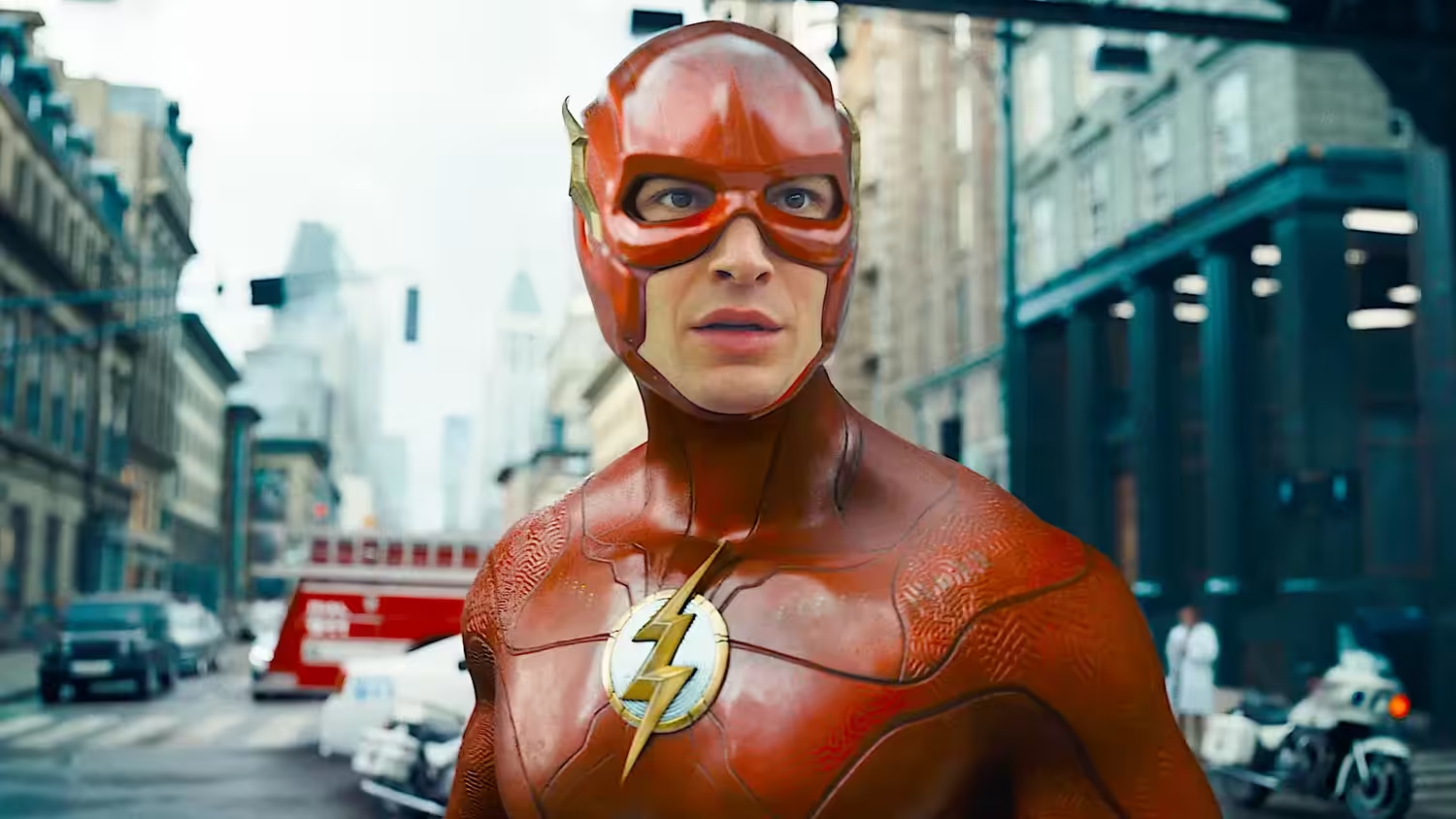
DC: Blaming the Audience for a Bomb, mocking fans

Sony and the Madame Web Fallout
Sony’s Spider-Man-adjacent misfires produced some of the more remarkable deflections — including the studio insisting the films were actually good.

Beyond the Big Three
The reflex isn’t unique to the superhero studios. It shows up anywhere a legacy property meets a disappointed audience.
Hollywood’s Excuse Is Always The Same
Put end to end, the pattern is hard to argue with, and it’s exactly what Mallozzi described.
Time after time, a project fails to connect, and the people responsible reach for the same explanation: the fans. Not the writing, not the marketing, not the executive who greenlit it, not the data that was there to be read. The fans.
Mallozzi’s bet is that this is finally catching up with the industry — that an audience this organized and data-literate can no longer be dismissed as easily as it once was.
Whether he’s right is an open question. But the record above is what he’s talking about. This page will be updated as the list grows, because if recent history is any guide, it will.
Credit: Source link