
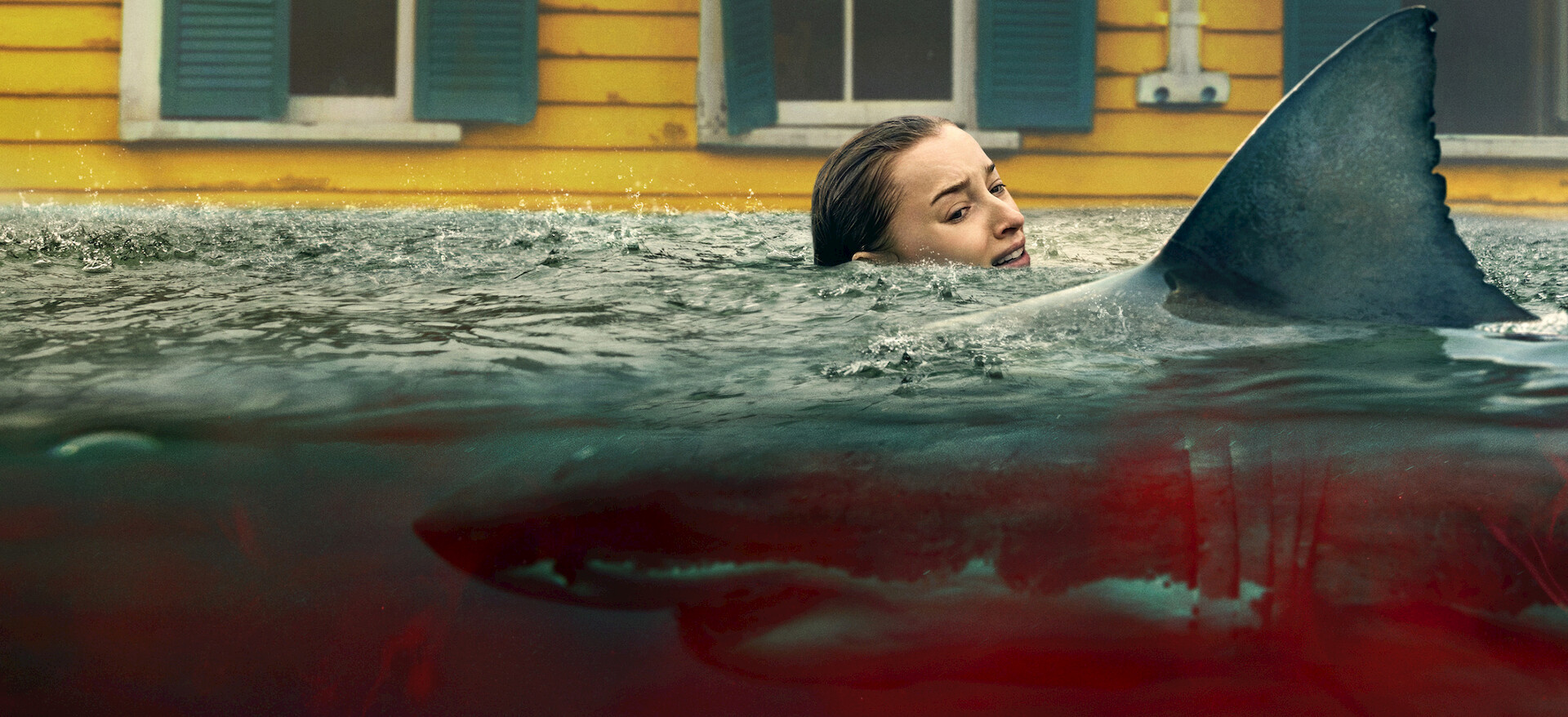
It’s beginning to feel like every few months, another shark film emerges from the depths of studios promising bigger scares, bloodier attacks, and an even more absurd premise than the last. Whether it is sharks in storms, sharks beneath airplanes, sharks inside abandoned underwater cities, or prehistoric monsters the size of cruise ships, Hollywood’s appetite for aquatic horror shows no signs of slowing down. The problem is that audiences are now drowning in them: will it ever stop?
In the last few years alone, viewers have seen releases such as The Meg 2: The Trench, No Way Up, Deep Fear, Shark Bait, Something in the Water, Under Paris, and Netflix’s recent viral thriller Thrash. Further back, we have Deep Blue Sea, The Shallows, 47 Meters Down, and Bait. Upcoming projects like The Kraken, Megalodon Rising 2, and several independently financed survival thrillers already in development suggest the trend is nowhere near finished. There is always another shark coming.
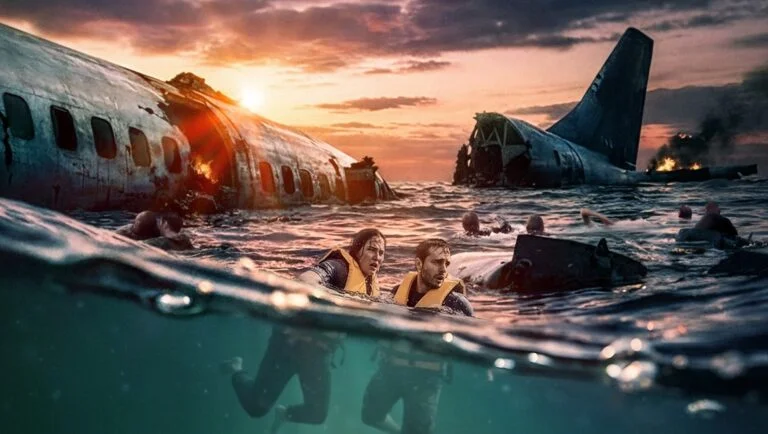
And strangely, many of these films still perform well. Something that blows my mind. Years of being a film critic, I see some incredible films almost flop at the box office, and then along comes a shark, and suddenly the numbers go up and up. And that is what makes the current obsession so fascinating. Critics frequently tear these films apart, yet audiences continue watching them in huge numbers. Netflix’s Under Paris became a surprise global streaming hit despite wildly mixed reviews, largely because audiences were drawn to the sheer ridiculousness of sharks terrorizing the Seine during an international triathlon. The same happened with Deep Water, a film about plane crash survivors trapped underwater with sharks circling the wreckage. The premise sounded absurd, but absurdity has become part of the appeal. These films exist in a strange cinematic space where quality isn’t valued. Audiences love that they’re… trashy.
Which is a shame. Shark movies are slowly becoming the fast food of modern cinema. Audiences know exactly what they are getting before they even press play. Attractive characters. Terrible decisions. Murky water. Sudden, yet predictable, attacks. Obvious story. A hero. Someone gets dragged beneath the surface while another screams their name. It is comfort viewing disguised as survival horror. Studios understand this perfectly.
Animal disaster films are relatively inexpensive compared to superhero blockbusters or large-scale sci-fi productions. Many are contained thrillers built around a single location: a boat, an island, a flooded city or an isolated beach. CGI technology has also become cheaper and more accessible, allowing streaming platforms and mid-budget studios to create convincing creatures without spending Marvel-sized budgets. Most importantly, these films travel internationally with ease. A shark attack needs no translation.
But that accessibility has also led to oversaturation. The genre is no longer trying to evolve. It is simply trying to escalate. Take The Meg franchise. The original film worked because it balanced self-awareness with spectacle. Jason Statham punching a prehistoric shark was ridiculous, but the film embraced its B-movie energy confidently. By the time The Meg 2: The Trench arrived, the scale had become so exaggerated that suspense disappeared entirely. Giant octopuses, underwater dinosaurs, exploding facilities, the franchise had transformed into pure noise.
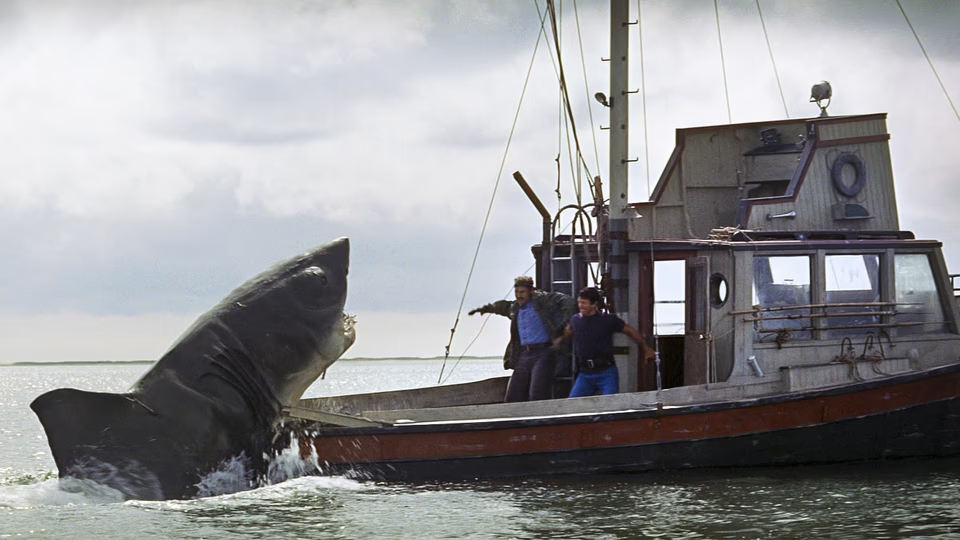
The irony is that the greatest shark film ever made succeeded through restraint. Jaws terrified audiences because Steven Spielberg understood suspense. The shark was barely visible for much of the runtime. Fear came from anticipation, not excess. Modern shark films rarely trust tension anymore. They rely instead on constant attacks and oversized CGI spectacle, mistaking chaos for entertainment.
Hollywood as a whole has become increasingly dependent on recognizable formulas and recycled intellectual property. The continued expansion of the Jurassic Park universe proves exactly that. Despite audiences repeatedly criticizing the newer entries for weak storytelling and franchise fatigue, the series continues generating enormous box office returns. Dinosaurs remain commercially safe. Sharks remain commercially safe. Familiarity has become more valuable than originality.
Studios are understandably nervous about risk. Original films are harder to market and far less predictable financially. A shark movie, however mediocre, already comes with built-in audience recognition. Viewers instantly understand the premise from a single poster. From a business perspective, it makes complete sense why executives continue greenlighting them.
Creatively, though, the industry is beginning to feel trapped. There are only so many ways you can film people stranded in water before the formula becomes exhausting. Even recent entries attempting fresh angles often fall back into the same clichés. Something in the Water tried blending social drama with survival horror. Deep Fear attempted to combine sharks with drug-smuggling action elements. Yet both still ended up following familiar genre beats audiences have seen dozens of times before.
Creature features should not disappear entirely. They absolutely have a place within cinema. Audiences love primal fears, survival stories, and escapist thrills. But the genre desperately needs filmmakers willing to rethink the formula instead of endlessly repeating it. Right now, too many studios are simply chasing algorithms and streaming numbers rather than originality.
Hollywood seems terrified of letting go of formulas that generate guaranteed engagement, even when the market is clearly saturated. But cinema only moves forward when studios take creative risks. Without that willingness to gamble on fresh ideas, audiences will continue being fed the same recycled stories dressed up with slightly larger teeth. At some point, even the most dedicated shark movie fans may decide enough is enough. For my sake, I hope it’s sooner rather than later.
Credit: Source link