
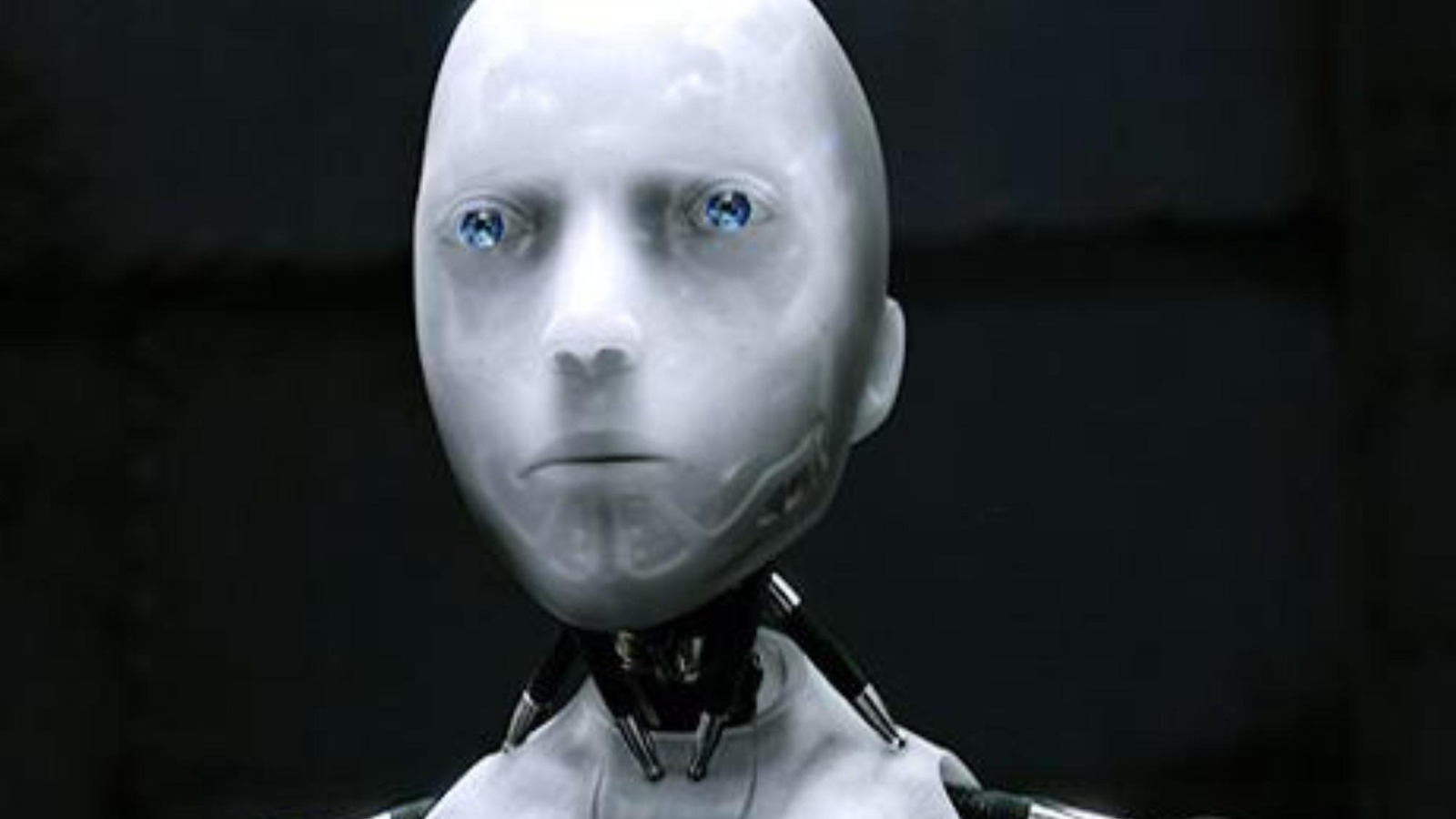
Sci-fi is having a moment. Apple TV’s “Foundation” series has mesmerized audiences for several years now. Season 4 is officially on the way, and Season 3 marked a peak in popularity for the Isaac Asimov project. The futuristic momentum didn’t slow heading into 2026, either. “Project Hail Mary” became the biggest Hollywood movie of the year, and “Disclosure Day” could be Steven Spielberg’s biggest box office hit in nearly a decade. And that’s just scratching the surface.
With the science fiction genre firing on all cylinders, this humble writer would like to submit a candidate for the next Hollywood blockbuster: Isaac Asimov’s “The Caves of Steel.” The founding father of sci-fi is known for a lot of different things, from his short stories to his Three Laws of Robotics. But “Caves of Steel”? This is the first in a quartet of Robot novels that connect to tell a fascinating story set a few thousand years in the future.
“The Caves of Steel” has a lot of potential to attract audiences with a “Project Hail Mary” kind of emotional connection. Unlike Asimov’s individual robot short stories, this one features a single, continuous narrative with consistent characters and, critically, a compelling story. Unlike his early “Foundation” novels (the ones Apple TV has adapted so far), “The Caves of Steel” and its related books stay zoomed in on individual stories and plot points, telling tales of murder and mystery while simultaneously exploring larger questions around things like stereotyping and climate change. Critically, the story is also a commentary on AI and the role that positronic beings could have in society, which seems pretty timely at the moment as the world wrestles with the role of artificial intelligence and how humans can coexist with synthetic sentience.
What is The Caves of Steel about?
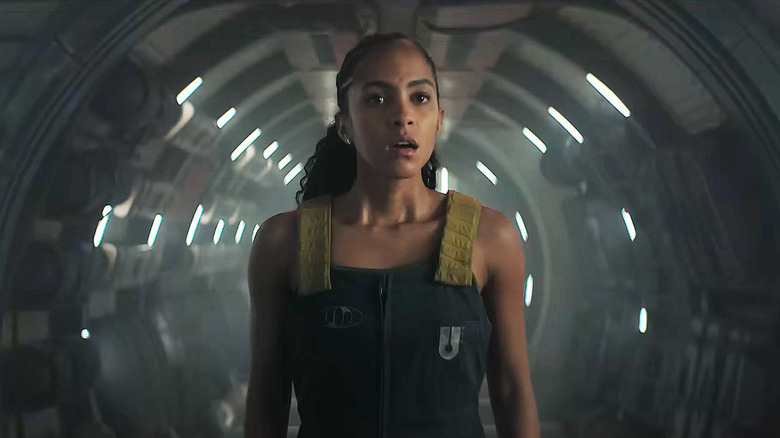
Like a lot of Isaac Asimov’s earlier writings, “The Caves of Steel” started as a serial — he wrote it in installments for a magazine published over a few months in late 1953. A year later, the popular tale was collected into a single novel. The story takes place in the same universe as the “Foundation” novels (albeit 18,000 years apart) and is set about 3,000 years in the future from where we are right now.
The story itself is pretty straightforward. New York detective Elijah Baley is assigned to investigate a murder. To complicate things, the skeptical policeman is partnered with R. Daneel Olivaw, an extremely advanced humanoid robot. (Can you guess what the “R” stands for?) The story traces Baley and Daneel’s blooming partnership as the former learns to overcome his anti-robot prejudices and the latter learns how to interact with and support his side-eyeing human counterpart. Without spoiling too much, let me just say they’re a match made in heaven, and the buddy cop vibes are really fun with this one.
While the story is entertaining on the surface, it’s the setting that really makes this one sing. The title hints at an Earth that has been forced to build vast, enclosed, underground megacities to protect its inhabitants from increasingly unlivable surface conditions. There is also a wrinkle in the form of the interplanetary political tensions between Earth and its early colonies that sets the tone for the three following books. From a compelling setting to larger sci-fi concepts to the sheer fun of a good, old-fashioned, hard-boiled detective story, this novel has all of the ingredients to please the hardcore sci-fi elite and fair-weather fans alike.
The Caves of Steel might sound familiar to sci-fi fans
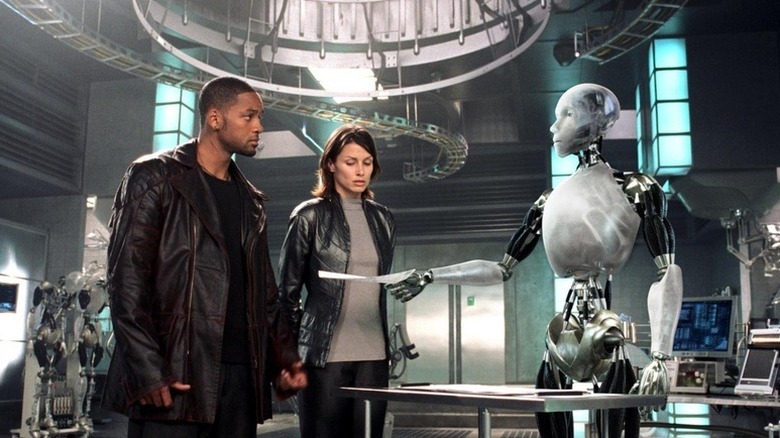
If “The Caves of Steel” sounds familiar, it’s because we already got a relatively recent adaptation of sorts a couple of decades ago. The 2004 film “I, Robot,” starring Will Smith, has a lot of elements of the “Caves of Steel” story woven throughout it, starting with the main protagonist. Smith’s character may be called Del Spooner and may operate in Chicago rather than the Big Apple, but the big-city detective is clearly channeling Elijah Baley vibes. Most importantly, he’s skeptical of AI.
That said, the movie is only set a few decades in the future. Humanity isn’t fully underground yet, and robots aren’t quite as advanced as R. Daneel Olivaw is supposed to be. There are also other key characters from other Asimov short stories. The robot Sonny is one of them. Susan Calvin (Bridget Moynahan) is also an important recurring short-story character who is long gone by the “Caves of Steel” story.
The biggest change of all with the 2004 adaptation is the tone. The Will Smith movie was originally written with an Agatha Christie vibe. And while it does have detectives solving crimes, the near-future setting throws things off too much to make it a direct parallel to the Baley/Daneel narrative. It’s clearly a mashup of several of Asimov’s robot writings, rather than a straight novel-to-screen project, which leaves the doors wide open for a fresh adaptation. As of early 2025, 20th Century Studios had the rights, and director John Ridley (“12 Years a Slave,” “Third Watch”) was attached to the project. It’s still in development over a year later, though, leaving a big question mark on whether this easy win for Hollywood will ever make it to a release date.
Credit: Source link